The Voice of Fashion
Busting notions of privilege, pedigree, and godfathers, the young cricketer Jemimah Rodrigues and actor Shah Rukh Khan —who just turned 60 —carry the same light. A reason to vote for passion: the real national faith.
Jemimah Rodrigues, the young girl from the Indian women’s cricket team, who rode the breaking, trending, sobbing and cheering stories everywhere last week, and Shah Rukh Khan, whose sixtieth birthday became an emotional cheer fest, reminded us of the most valued currency of influence: feeling.
And the courage to tell the world how you feel.
Cricket and cinema have long been India’s biggest religions. Jemimah, our newest discovery of strength, vulnerability, and the crazily oscillating graph of human emotion, and SRK, the country’s beloved actor known for wearing his heart on his sleeve, bind us as Indians in ways we need to be reminded of.
Both are from minority communities, yet rule the majority sentiment. Their presence is not token diversity—it is earned fame and goodwill that knows no gender or religion.
While Jemimah’s is a spark and a spike that may one day arc into a legend, SRK’s makes people feel with the force of a hurricane—lifting him, for us, a little off the ground. Both come from ordinary backgrounds and stand for the power of perseverance, both carry the grace of emotional honesty.
Passion in Numbers
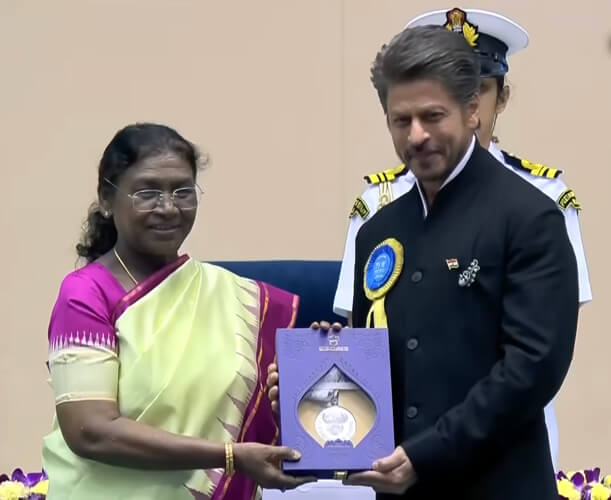
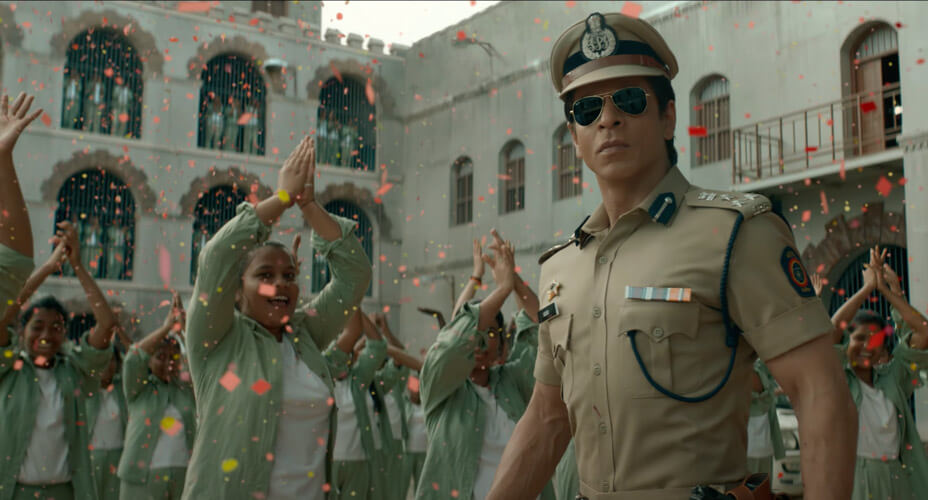
Between them, they also speak to billions of followers online. SRK, who is about 105 films old in Indian cinema, holds a combined following of around 134 million across socials. Both his recent hits Pathaan and Jawan made more than ₹1,000 crore, breaking Hindi cinema records. Jawan (2023) won the National Award for SRK as best actor. The knight in shining dimples accepted the award this year from President Droupadi Murmu, who also smiled widely. According to the Hurun India Rich List 2025, the actor’s net worth is $1.4 billion (£1.03 billion).
While SRK is a study in endurance, Jemimah is about velocity. She belongs to the rising power of women’s cricket as a franchise. Her online following, which jumped exponentially last week, stands at 3.5 million and counting. The ICC Women’s Cricket World Cup final match broke all previous viewership records. Consolidated reports from digital platforms and broadcasters available on news websites indicate that within the first few overs, more than 121 million viewers tuned in, rising to 135 million mid-match; ultimately surpassing 190 million.
The Women’s Premier League (WPL), now in its third season, is no longer an ambitious side project. It’s a thriving economic and cultural juggernaut. A five-year broadcast deal with Viacom18 worth ₹951 crore ($176 million) and franchise valuations totalling ₹4,669 crore ($883 million) tell us of the unprecedented rise of women’s cricket.
Face Value and The Business of Visibility
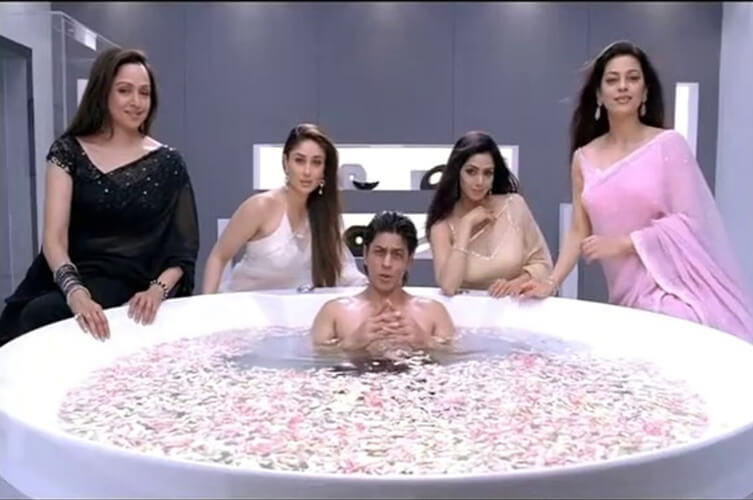
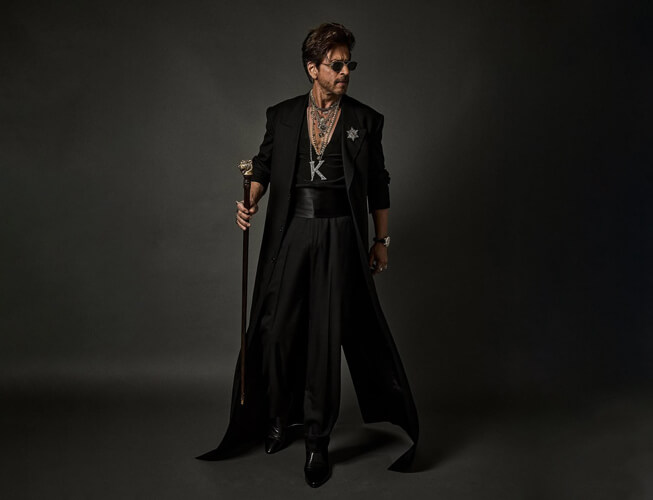
Then there is “face value”. SRK has been the face of dozens of fashion and beauty labels, besides selling Coca Cola, cars, medical aids, acoustic and aeronautical brands. He was the first male actor to soak in a rose petal-filled bathtub for Lux way back in 2005. Now, 20 years later, dressed in Sabyasachi jewels and couture, a bejewelled walking stick in hand, he was the most watched male celebrity at Met Gala 2025, with a media impact value of $19 million.
Whereas, the WPL will now see the world’s biggest brands descend on it and its stars—Harmanpreet Kaur and Shafali Verma—with other team mates included, after their victory at Dr. DY Patil Stadium in Navi Mumbai. Rexona, which held visibility on logos and banners yesterday, will soon have competition.
The Power of The Emotional Self
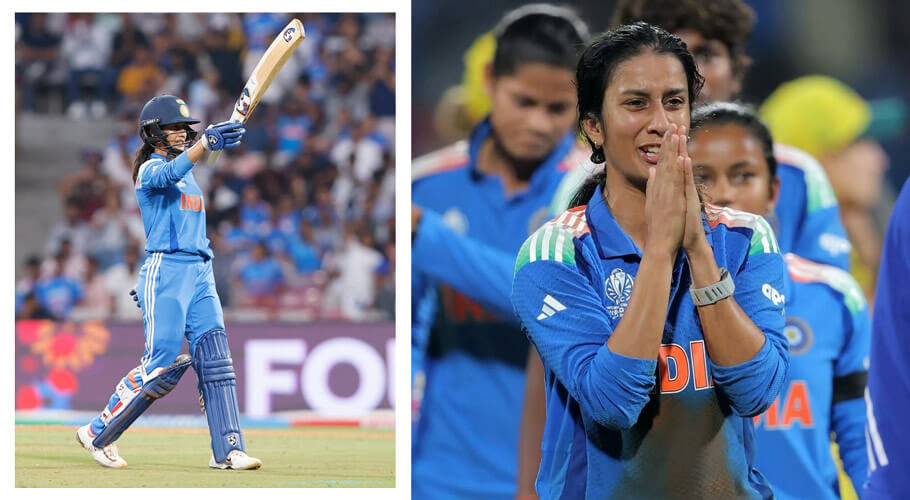
Business and numbers notwithstanding, in these last few days, from when Jemimah batted the Australian team out of the ICC Women’s World Cup, followed by (in no logical, cultural or perceptively provocative order) SRK’s sixtieth birthday on November 2, have underlined why being human through the foil and the toil is what appeals most to India. SRK loves the cultural expressions of India and has added to them as an actor—both through his dialogues and his gestures—arms wide open.
That ownership of the emotional self is the language of today. A potential antidote, if you will, to anxiety. These two people bring with them a tide of feelings.
Both Jemimah and SRK, separated in age by 35 years prove that charisma and consistency (to self) can challenge dynastic advantage.
“Emerging as pilot, navigator and north star out of the messy scrum of arms, armpits, hands, and shoulders of her teammates, her T-shirt soaked and muddied, her face shining with tears and sweat, making signs of love and wonderment, was Jemi,” wrote senior sports writer Sharda Ugra in the Hindustan Times. Jemimah’s candour about her struggles with anxiety drew thunderous applause—from a country that often freezes around conversations about mental health. Proof of how much we still repress, and why we shouldn’t.
On the other hand, in its Sunday Eye cover story titled The Last Superstar, The Indian Express mapped SRK’s sentimental graph through generations. Writer Pooja Pillai asked what millennials have that others don’t; her answer, inevitably, was Shah Rukh Khan—the cross-generational believer in love and drama.
Both Jemimah and SRK, separated in age by 35 years prove that charisma and consistency (to self) can challenge dynastic advantage. In this playbook, where SRK is the original outsider-made-icon in his three decades-plus intimacy with India through films, Jemimah is the new chapter of passion and emotional vulnerability.
It is reassuring to observe that passion still binds India with New India: the sight of a drenched cricketer crying on live television, the sound of a 60-year-old actor’s name echoing from Met Gala to India’s streets. Between them lies the emotional democracy of a country that finds itself, again and again, in those who feel deeply and work relentlessly. It’s the emotion we must vote for.