The Voice of Fashion
Building a voice is about editorial imagination; keeping it independent is an exercise in negotiation and institutional protection
The name of this column was not mine.
Jaspreet Chandok (JC), The Voice of Fashion (TVOF) co-founder and the platform’s head of business, suggested One Peg with Shefalee. He also suggested Questions No One Asks, the name of an interview series I conducted. The title that came to represent something of the work we wanted to do.
I begin here because it says something I have come to believe about publications: authorship is more complicated than what the byline or masthead suggests. Ideas travel between people. A title can open a door. A writer transforms an assignment. An editor discovers that a colleague has taken a story in a more provocative direction.
It also says something about JC, to whom I will return.
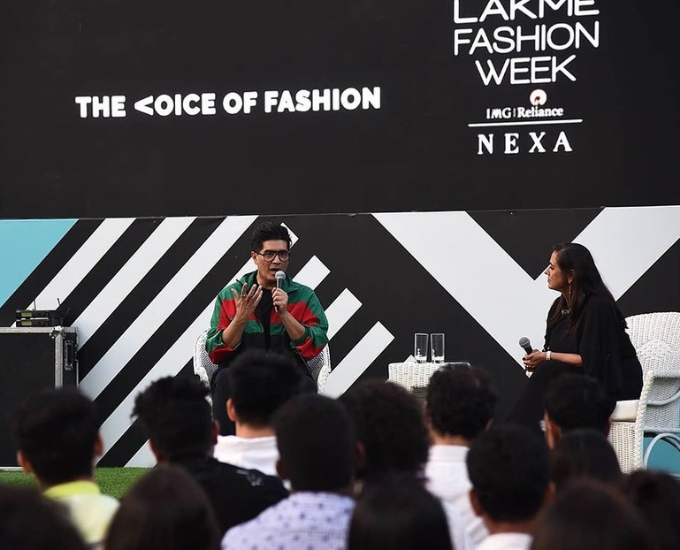
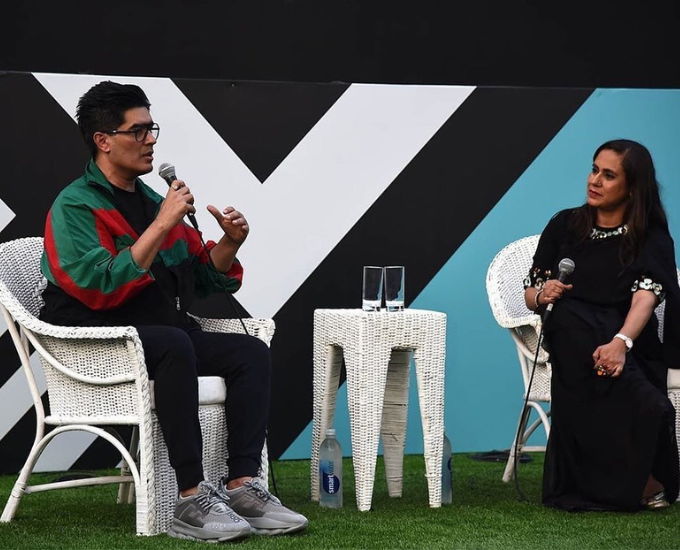
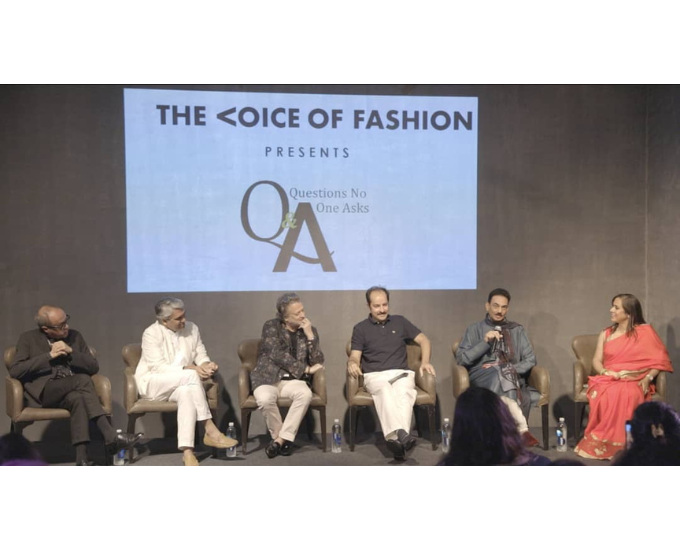
In April 2017, I arrived at the IMG-Reliance office at Nariman Point, Mumbai, to meet Sundar Raman, then CEO of Reliance Sports. IMG-Reliance would be the first publisher of TVOF. JC joined the meeting within five minutes. The two men assessed my proposal for a digital destination on fashion, culture and design without looking at it. The coffee was terrible, Raman’s questions tough; JC smiled knowingly. Cricket jerseys hung around the room. The meeting had been arranged by the late Darshan Mehta, then CEO and MD of Reliance Brands, under which TVOF would eventually sit.
I got the job I had dared to dream of. TVOF began to take shape in 2017, a year before it went live and more than six months before it was named. That first year was spent testing its business model, which did not depend on advertising, and developing its editorial personality. What it might look like, what it could say, whom it would speak to. Most importantly, what kind of fashion journalism it would practise. That work has occupied nine years and six months of my professional life.
When we began, digital was not yet the default vocabulary of the fashion industry. TVOF was India’s first fully digital magazine devoted to fashion, culture and design, publishing new stories six days a week. Others followed, particularly after the pandemic, as the nature of media itself changed. But our ambition was never simply to exist online. We wanted to use the freedoms of the medium to do what a conventional fashion magazine might not. This brand definition was extended to HEPTA, the platform’s web architecture agency, and to Oblique, which handles social media till date.
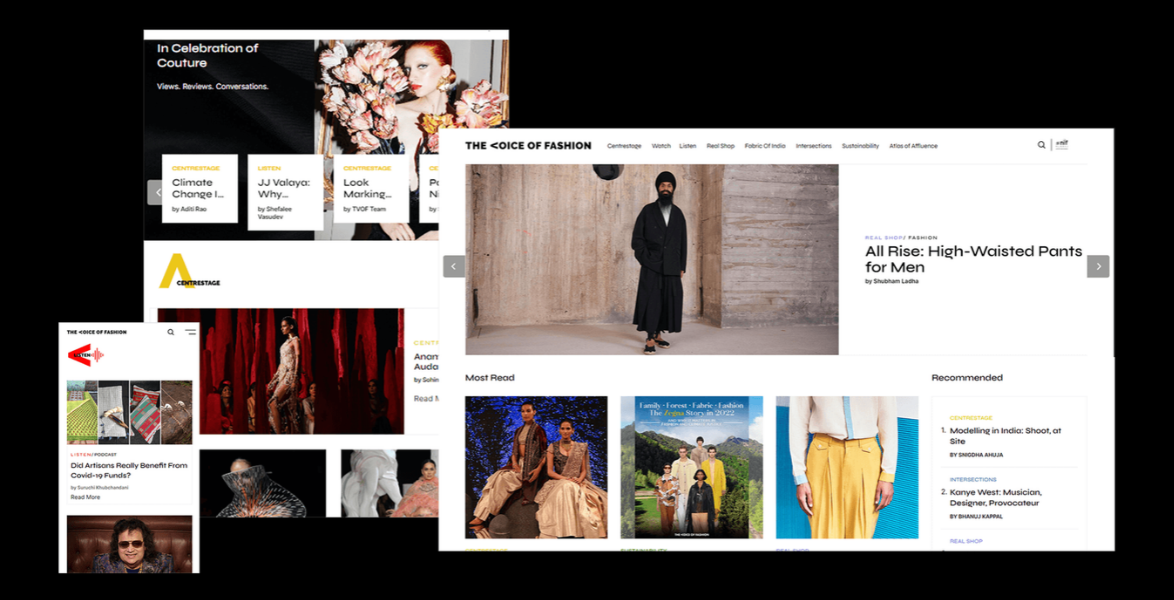
The editorial team began with what I call ‘fashion-fashion’: designer trajectories, luxury, red carpets and trends from Mumbai, Delhi, Paris, Milan and New York. But TVOF was grafted to stretch. Fabric of India took us into textiles, crafts and the relationship between material and identity, including reporting from the North East and cultural intersections in South India. We broke stories, ran investigative ground reports and asked the industry questions it might not have preferred to answer. Intersections brought the politics of the body, music, cinema and art into conversation with fashion. Our homepage opened a section on sustainability long before the industry began to treat it as a genre. It is now called Climate Action.
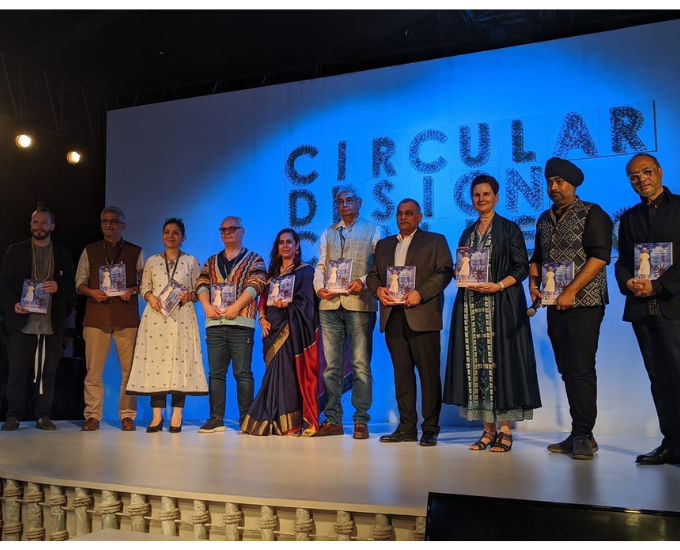
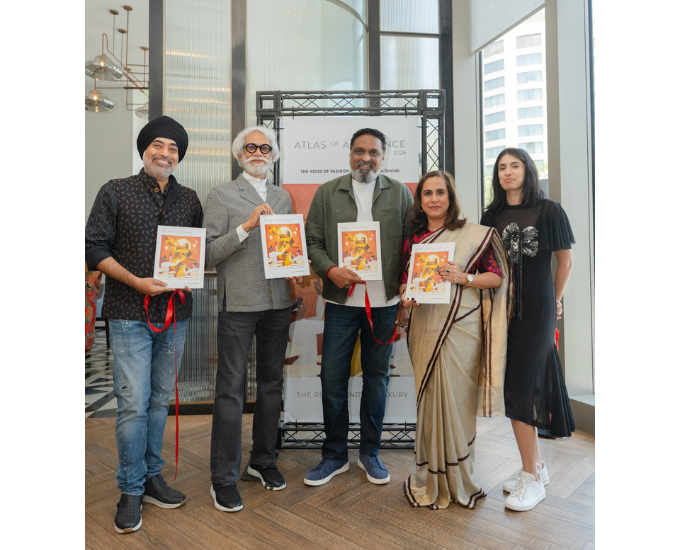
Our research properties included the India Sustainability Report, two editions of the Atlas of Affluence, and The Menu of Affluence—all built on editorial insights based on consumer research. Columns such as Body Politic, Bodice Ripper, Famous Wardrobes and The Broken Thread, written by established writers who were not fashion journalists, moved between popular culture and serious reflection, beauty and psychology, the pleasures of appearance and the lives lived beneath it. Beauty was never just about products. Shop Talk, our podcast with RED FM underlined these characteristics.
Over the years, I discovered how many readers and writers loved fashion beyond its vanities. The assumption that it was a lesser subject, confined to the glamorous and the commercial, proved delightfully inadequate. Fashion could be a way of reading the world. The work was to give it that depth and power without taking its hierarchies at face value.
That required editorial conviction. I brought my experience in journalism, my interest in the cultural and political life of fashion, an insistence on quality writing and an appetite for untried ideas. We wanted to examine the industry’s power and contradictions without being dazzled by either.
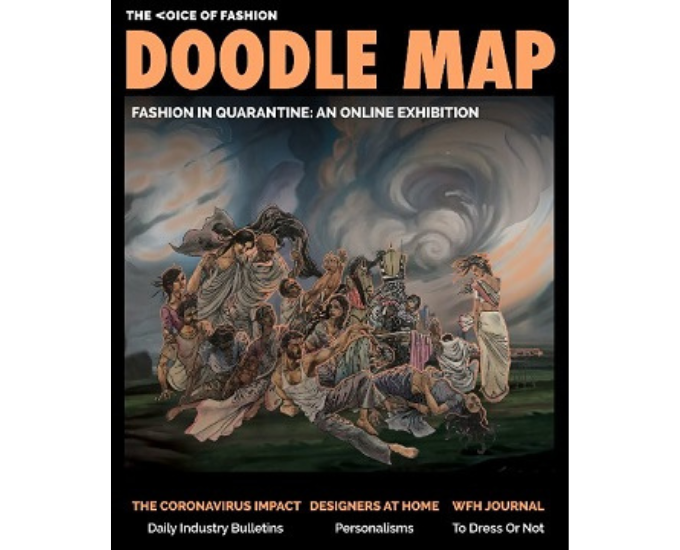
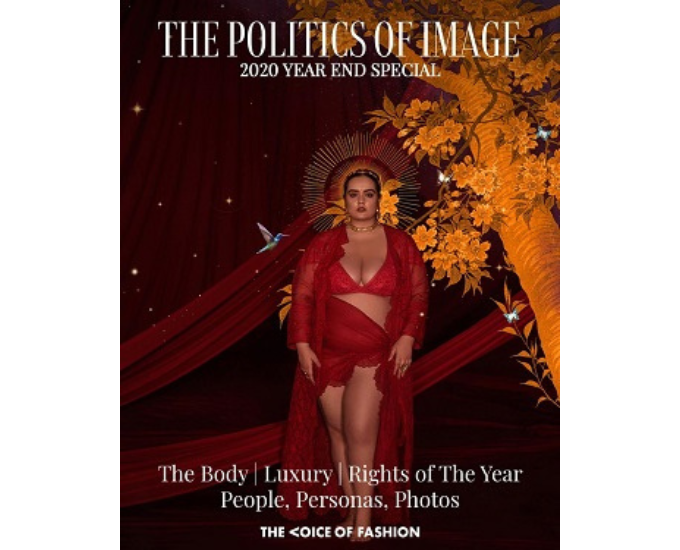
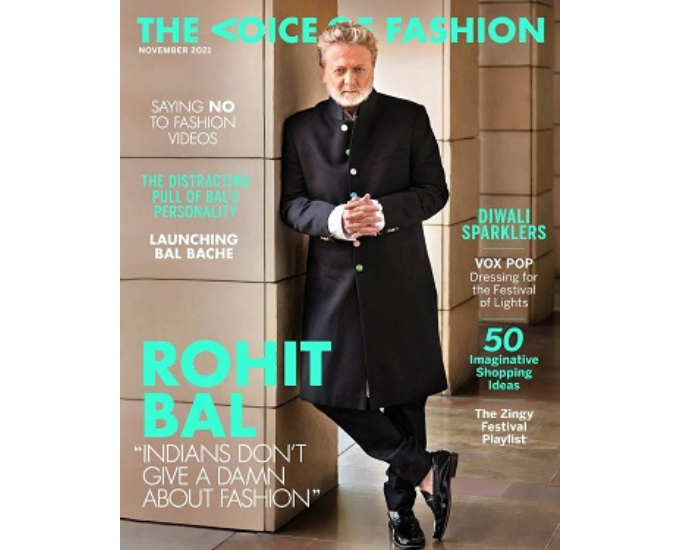
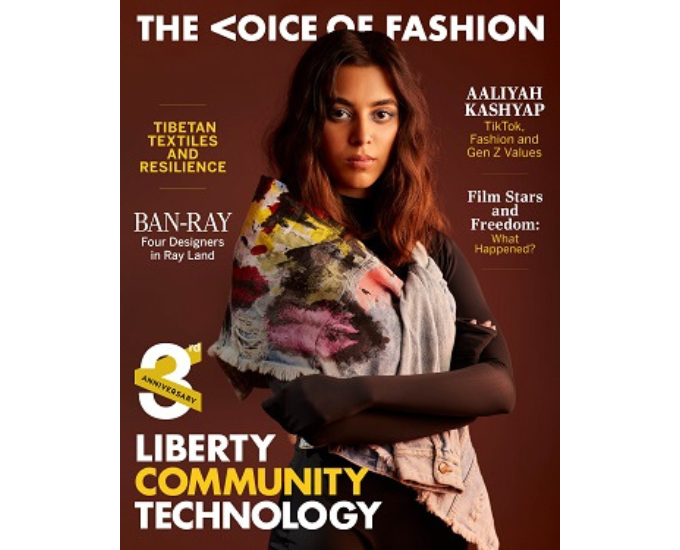
But editorial independence does not operate in a vacuum. It is exercised by people with particular histories, reputations and positions within institutional hierarchies. These can open doors that remain closed to others. One complication of independence is that the freedom to question power may itself be partly enabled by the power one has accumulated.
For eight-and-a-half years, TVOF published primarily without editorial interference, within a corporate environment and close to the industry it covered. This independence was protected by JC. He also heads Lakmē Fashion Week, presented by RBL with the Fashion Design Council of India, and has worked on building several Indian designer businesses. Yet TVOF, where he is head of business, could critique fashion weeks, not just individual shows, question the politics and interests of the designer industry, and examine its inconsistencies. He did not rush to shut down criticism when it became uncomfortable.
Darshan Mehta, too, never sent me a dossier of Reliance Brands to cover, despite TVOF belonging to the same corporate group. Business interests did not mandate editorial coverage.
These may sound like small details. They are not. There were disagreements to work through, of course. Independence did not mean the absence of negotiation; it meant that editorial judgement could survive it.
A voice, then, is not simply the freedom to publish. It is the responsibility to decide what deserves publishing, to question the interests one is closest to, to recognise the limits of one’s own perspective and, more than anything, to resist mistaking personal conviction for editorial infallibility. In the present climate of Indian journalism, none of this can be taken for granted.
Some brilliant colleagues and journalists who joined TVOF strengthened and stretched its voice. They took ideas further than I had imagined and, at times, showed me that the best thing an editor can do is let others take the work somewhere she could not have taken it alone. All our collaborators over the years in the industry have witnessed this.
So why am I leaving? Because the impulse that brought me to TVOF has not run its course. It asks something different of me now. I once carried an idea to an institution and set about building it with the people who gave it room to grow. Today, I want to begin again: to build something that moves beyond fashion as the primary pivot; a wider inquiry into the culture and power through which we read the world. Certainly, through writing and reporting. But not only. I do not yet know exactly what shape that work will take. But the restlessness behind it is familiar.
That is what I take from these nine years: not that independence is ever settled, but that an idea can acquire a life larger than the one who first imagined it. To re-experience the sheer force of that possibility, the work has to begin again.
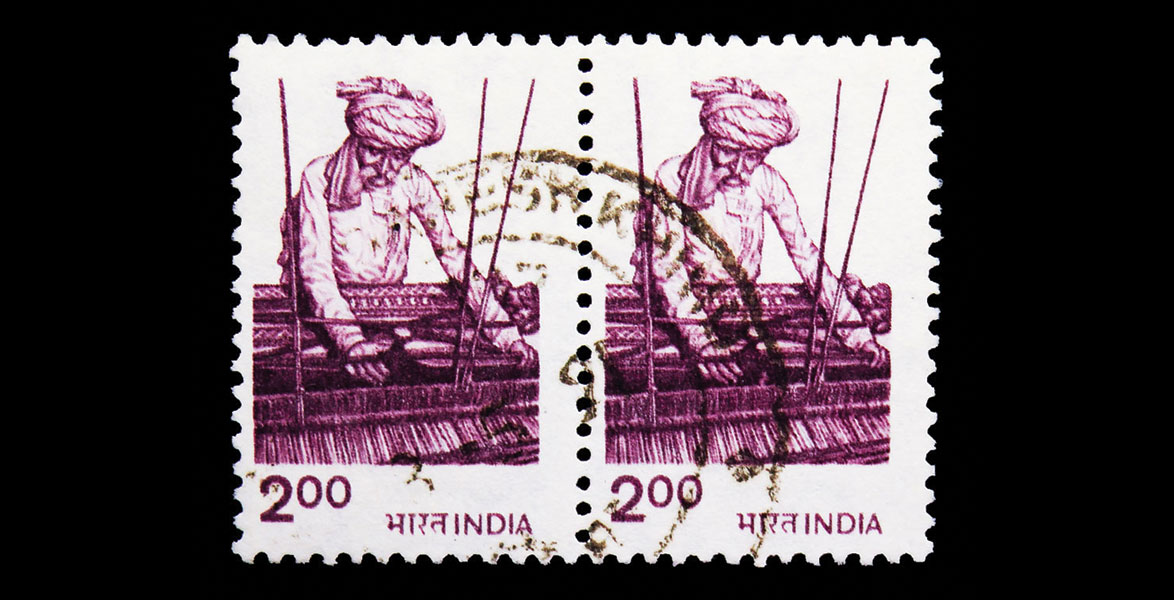
Banner: Featuring images of India’s 2-Rupee Handloom Weaving postage stamps (this banner was also used for TVOF’s first Editor’s letter).