The Voice of Fashion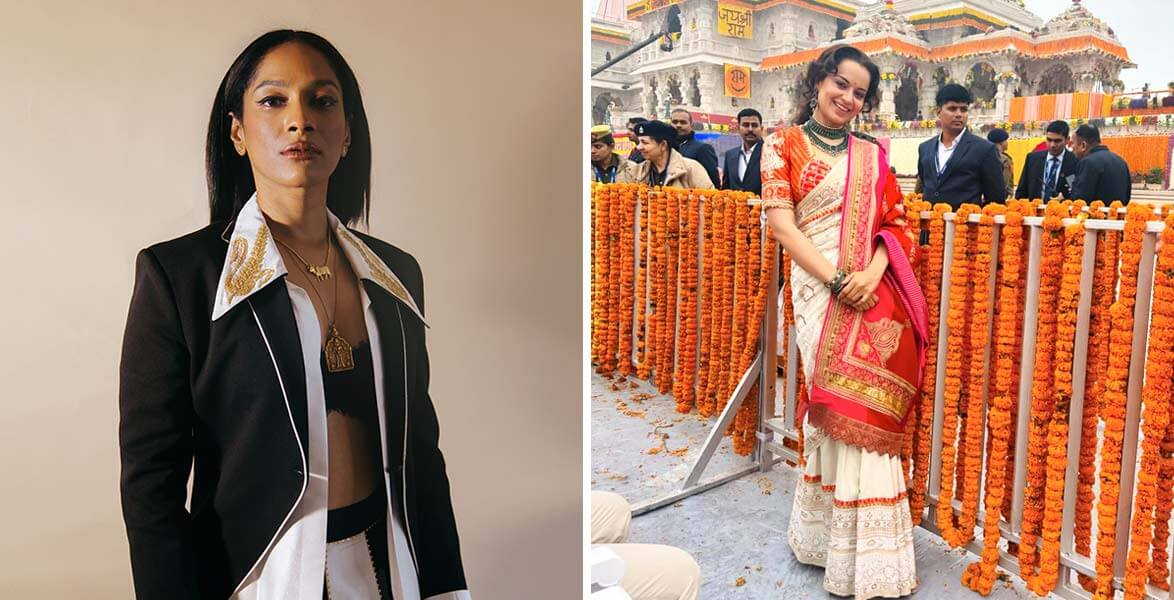
Kangana Ranaut’s disagreement with Masaba over a loaned sari opens up a larger question in Indian fashion: who controls the meaning of clothes once they leave the studio?
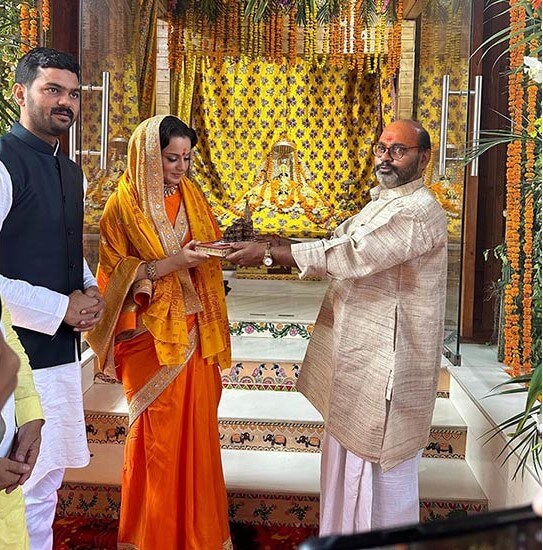
A loaned garment is not a democratic object. It is a conditional, strategic extension of a designer’s worldview, brand positioning, and promotional image management. The disagreement between actor and politician Kangana Ranaut and designer Masaba Gupta over the withdrawal of a loaned sari for Ranaut’s visit to the Ram Janmbhoomi temple in Ayodhya—as brought now to public notice—brings this often-misunderstood equation into sharp focus.
While celebrities routinely treat loaned designer garments as entitlements, this episode is a timely reminder that such arrangements are temporary and transactional. If the conditions of where and how a garment will be worn change, a designer has the right to withdraw the loan.
Clothes are seldom worn simply for what they are—pretty or ordinary garments—especially by those who have choice, visibility and aesthetic discernment. Their choices speak for the gender they identify with, profession, style, and often substance. Clothes function both as costume and as message. As potent symbols, they tell the world how we want to be seen in political and religious theatres. Particularly in politics.
On the other hand, designers do not merely make and sell clothes; they dress people including celebrities and VIPs of national and cultural importance as part of the living they make. It is the association that is broadcast all the time on social media—riding on the popularity, visibility and timing of who is wearing the garment and where.
Fashion’s Political Equations
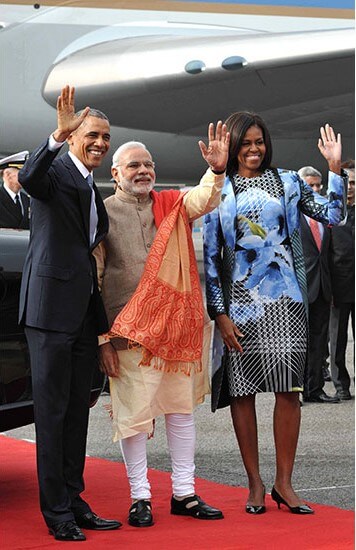
This is not new theory. Styling and swagging celebrities is among fashion’s oldest games. There are dozens of citable anecdotes—from history, politics, and culture—that demonstrate how carefully clothing is negotiated. Former American First Lady Michelle Obama’s wardrobe, dissected delightfully in her new book The Look, for instance, ranged deliberately from democratic American designers to high fashion. She chose from designers of different countries and calibrated for context, while remaining loyal to America above all else. From her meeting with the late Queen Elizabeth II to her official India visit when she alighted from Air Force One wearing a Bibhu Mohapatra garment. These appearances reflected a dialogue between two entities—the VIP being dressed and the designer whose garment was worn. By mutual agreement and, hopefully, admiration.
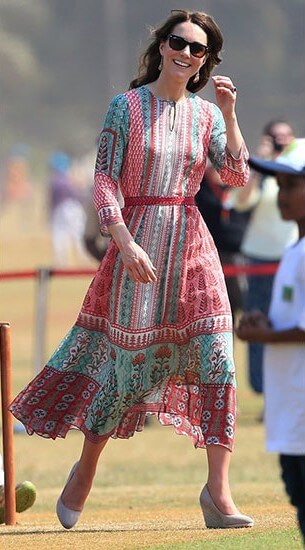
When Kate Middleton, now Catherine, Princess of Wales, came to India in 2016 on a state visit, one of her most discussed outfits was an Anita Dongre block-printed tunic dress that she wore while playing cricket. The garment flew into notice globally—not merely as fashion, but as a symbol of cultural diplomacy between two countries. That is what clothes do. They dress people, yes—but they also dress epochs, ideologies, and power structures.
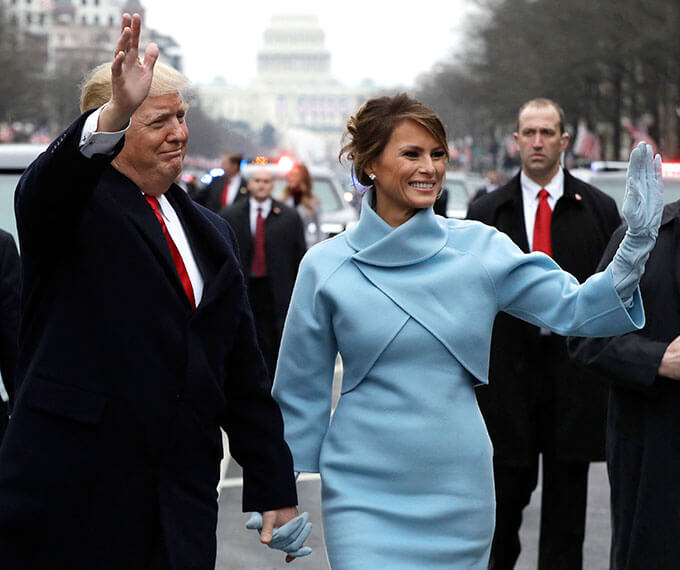
This is why it remains significant that Vogue US chose not to feature Melania Trump on its cover, breaking a long-standing tradition of profiling First Ladies. Dressing Melania Trump—or Ivanka Trump—during Donald Trump’s presidency became a chronicle within global fashion, documented as politics more than mere gossip. Fashion has long understood that nothing is neutral. As does fashion media.
Brand Refusal is Not Humiliation
In India, however, designer “dressing” has become increasingly promiscuous. Clothes are loaned not only for major public appearances to stars but for stylists’ weddings, family functions, and to large sections of media—often to build ecosystems of mutual endorsement and goodwill. Designers want to dress everyone from film stars to media to all FROW for their parties as well as shows. Then for Diwali, Christmas, New Year’s and Valentine’s Day. Until Holi approaches. This has created an industry culture where saying yes is routine and saying no is seen as aberrant—which is precisely why refusal stands out.
If Masaba chose not to let her brand or her clothes be tagged with a temple visit—however reverential that visit may have been for Ranaut—she has the right to do so. Some designers actively seek visibility in certain political or cultural moments; others do not wish to align with specific events because their worldview does not extend in that direction. Just as Ranaut has her political loyalties, beliefs, and image positioning—which she deploys effectively, including through her parliamentary dressing—so does Masaba.
To expect a designer to toe the line simply because an event is religious, politically sanctioned, or culturally dominant is to deny the very idea of creative consent.
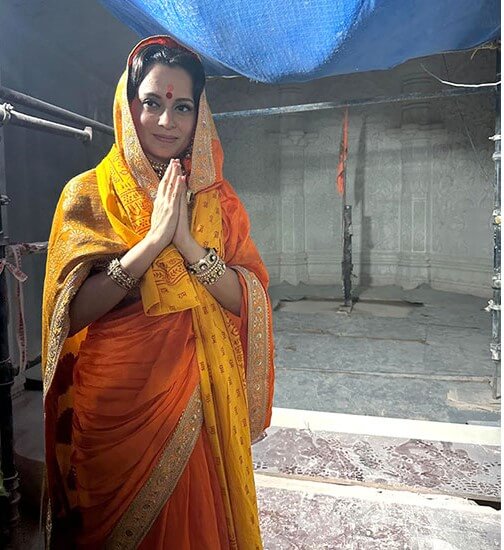
At a time when the present government is underlining a selective cultural appreciation of Indian crafts and textiles, it is not enough to applaud saris, sherwanis, salwars, or jholas. We must also respect the choices of those who make them. Designers, like politicians, have positions. They are not required to dissolve them for optics.
Besides, a brand has a life of its own. Regretting its appearance somewhere is not humiliation. Framing it as such converts a professional boundary into a personal insult. Masaba’s decision not to comment publicly was, in that sense, a sensible choice—any response would have risked being read as commentary on Ranaut’s faith, beliefs, or political affiliations, rather than on professional terms of engagement.
Seen plainly, this is not an act of disrespect but of clarity. And if such clarity is interpreted as a stand against a person, or anti-religious and politically suspect, then the discomfort should worry the entire fashion industry—which, predictably, has chosen silence.