The Voice of Fashion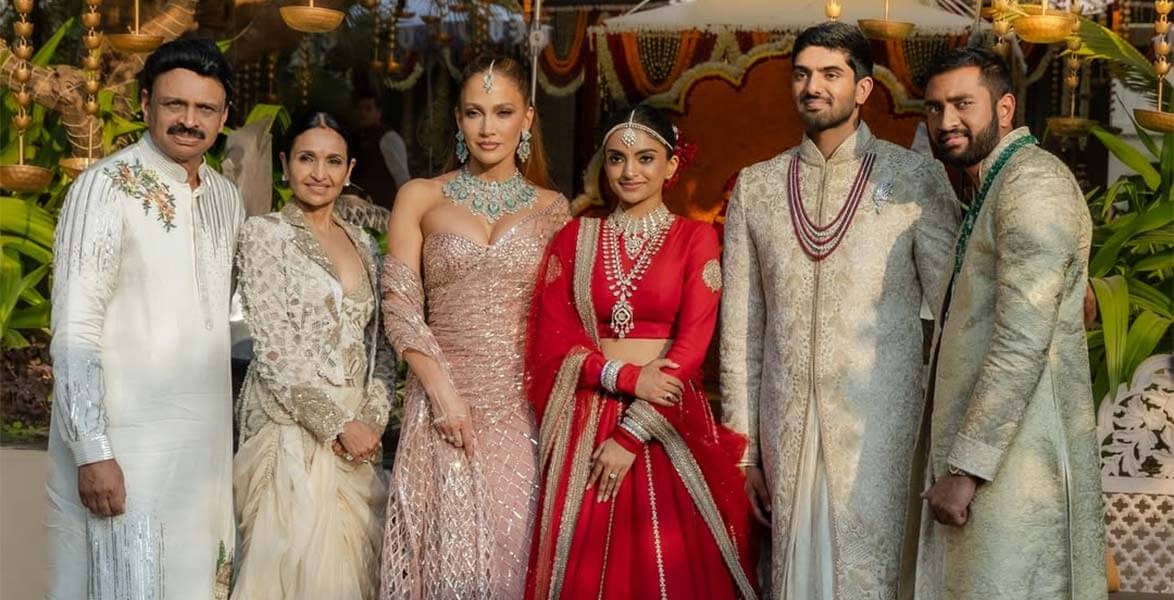
In 2026, Indian fashion looks bigger than ever. This essay asks whether visibility and celebration have outpaced the systems needed for long-term viability
Indian fashion enters 2026 at a curious moment. It is louder than it has ever been, more visible, more photographed, its shenanigans now routinely called “collaborations” and more generously funded than ever before. A look at The Voice of Fashion’s year-end bulletins or its 2025 closing issue, India Everywhere, offers a sense of the wealth, reach and names now circulating through the industry.
Indian designers have not only opened stores in Dubai and California but expanded aggressively at home—across Delhi, Mumbai and Hyderabad. Delhi’s Dhan Mill continues to grow as a fashion retail destination, as do hubs in Gurgaon. Rich NRI weddings staged in Rajasthan have become global showcases, even as their meme-worthy predictability thickens. Indian designers appear regularly at international fashion weeks, in celebrity wardrobes and diaspora trousseaux. On the surface, this looks like momentum.
But visibility is not the same as viability. And celebration, no matter how glossy, is not the same as growth.
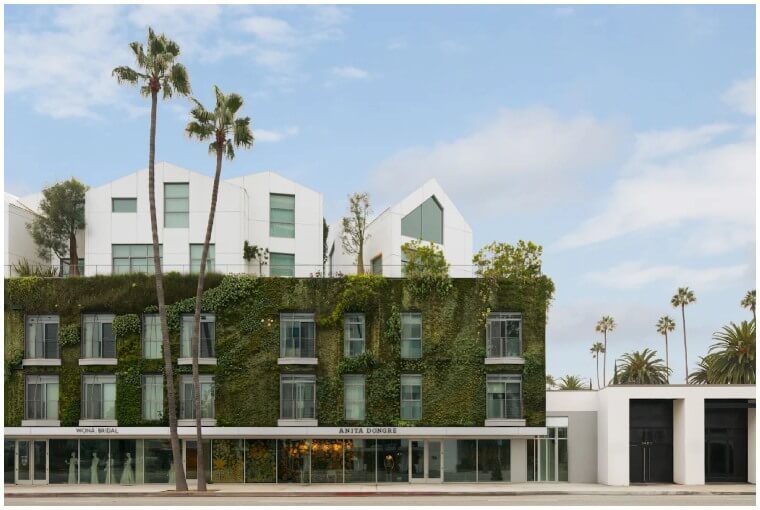
The Indian textile and apparel market was valued at approximately $222 billion in 2024 and is projected to grow to $646.96 billion by 2033, at a compound annual growth rate of about 12 per cent. The macro footprint of Indian fashion is undeniably real and expanding. The harder question is where the aspirational designer segment sits within this vast ecosystem—and why visibility has not consistently translated into deeper commercial stability.
Corporate investments by Reliance Brands Limited (RBL) under Reliance Retail Ventures Limited and Aditya Birla Fashion and Retail Limited (ABFRL) over the past few years suggested a reshaping of Indian fashion and luxury retail. From designers like Ritu Kumar to Abu Jani-Sandeep Khosla, AK-OK by Anamika Khanna, Manish Malhotra and Rahul Mishra’s AFEW under RBL; and from Sabyasachi to Masaba, Tarun Tahiliani’s Tasva and Shantnu & Nikhil under ABFRL, the ambition was unmistakable.
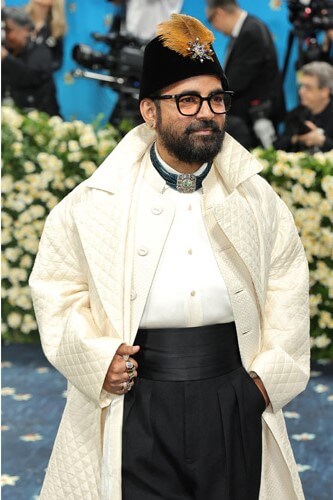
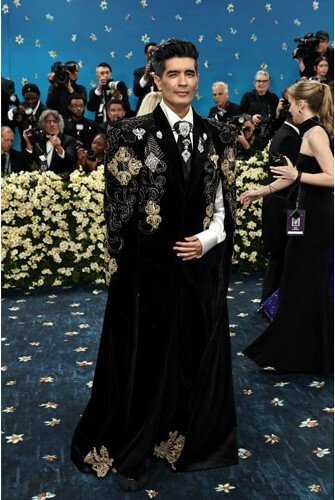
Yet, a few years on, clear commercial success stories remain limited. Sabyasachi Mukherjee and Manish Malhotra are often cited as outliers rather than norms, and their success cannot be argued only by who invested in them and how much. Other investments continue, reportedly, to reconcile capital with growth. Recent developments—including the end of the business liaison between Abraham & Thakore and Reliance Brands—underline how fluid and unresolved these experiments remain.
Over the last decade, especially in the post-pandemic rush, Indian fashion expanded its shell faster than it strengthened its spine. The industry has learned how to look successful, but has been slower to ask whether it is becoming sturdier, fairer or more sustainable at its core.
This is not a takedown, nor a manifesto. It is a reflection from within the industry, shaped by decades of watching Indian fashion rise, stall, repeat itself—and occasionally surprise.
Fashion is no longer competing only with other fashion brands; it is competing with life choices.
Visibility Without Viability
Large, gleaming stores have become a primary communication strategy for success. A flagship in a fashion retail hub is often read as proof that demand has deepened and the market has matured. Yet, store launches reveal more about access to capital than about sustained commercial health.
There appears to be a misalignment between investment and actual sell-through—a gap rarely discussed publicly. Closures, markdowns, dead inventory and fragile cash flows remain industry whispers. The shell grows; the spine strains.
This tension is particularly evident in the pricing of Indian prêt. Single garments routinely retail between ₹25,000 and ₹58,000—neither couture nor occasionwear, but everyday designer clothing. Craft-centric labels such as eka by Rina Singh and Injiri by Chinar Farooqui operate here, as do newer names like Kartik Research by Kartik Kumra. Anamika Khanna’s prêt and Aneeth Arora’s pero are discussed as much for their pricing as for what they make and how.
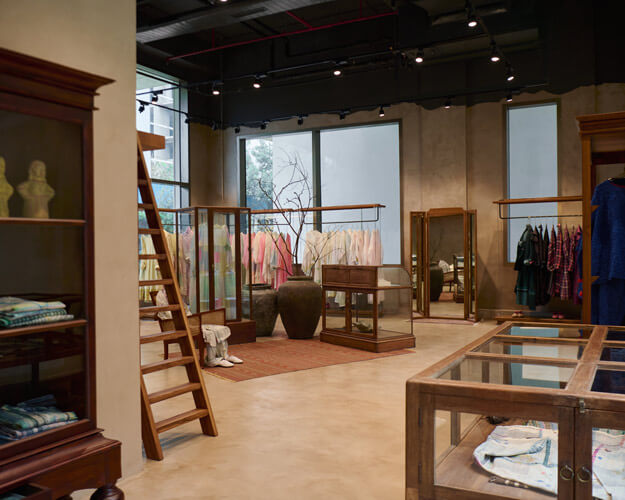
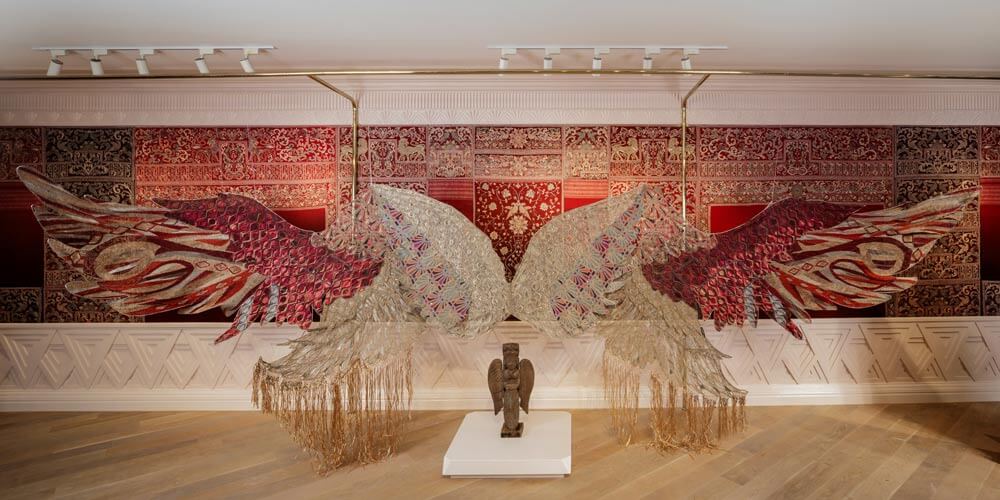
Recent store openings—JADE’s expansive space in Delhi’s Mehrauli, Raw Mango’s new destination in Kolkata, Rimzim Dadu and Gaurav Jai Gupta’s Mumbai flagships—signal confidence and investment. They employ architecture, art and immersive design. But they do not, by themselves, resolve questions of sustained demand.
These bets rest on the assumption that a young, urban, double-income, no-kids consumer will continue to buy expensive, well-made garments. That customer exists—but that customer is changing.
Travel, home design, food, wellness and experiences increasingly outweigh the desire to accumulate clothes. Fashion is no longer competing only with other fashion brands; it is competing with life choices. Opening more stores without addressing this shift risks confusing expansion with endurance.
Celebration Without Structure
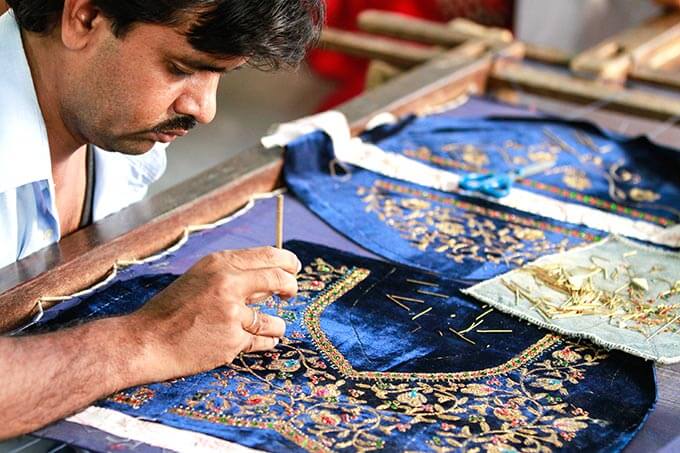
Indian fashion is rich in sentiment, especially around craft. Artisans are revered even as inequities persist. Handwork is romanticised. Sustainability is aestheticised. Reverence, however, is not the same as responsibility.
There has been little collective resistance from within the industry against rampant greenwashing—a silence that has allowed sustainability to become branding noise rather than accountability. Craft continues to be treated emotionally rather than structurally. Narratives are lush; systems are thin. Contracts, worker welfare, pricing transparency and production ethics rarely enter consumer-facing conversations.
Search results for “Indian fashion businesses” still default to lists of “Top 10 Designers”, measured by celebrity appearances and red carpet visibility—markers that are poor indicators of revenue or long-term health.
An industry that depends so deeply on human labour cannot survive on mood boards or glossy covers alone. Craft needs systems, not just storytelling. Ethics need policy, not poetry.
What remains under-examined is the unglamorous work that sustains fashion: production management, human resources, supply-chain transparency, financial planning and pricing strategy. Creative minds are expected to be entrepreneurs by instinct, often without consistent mentoring or institutional support. When they falter, failure is personalised rather than examined structurally.
Hero Worship And The Missing Middle
Indian fashion remains overly invested in heroes, particularly those who “make it” abroad. A Paris show, a London outing or an overseas celebrity endorsement are achievements that matter. But movements are not built by heroes alone. They are built by editors, buyers, critics, merchandisers, educators, mid-sized brands, factory managers and ethical investors, who stay for the long haul. Indian fashion continues to celebrate individuals over infrastructure.
Media platforms, including those that chronicle fashion closely, have not always made space for these structural conversations. In the noise of celebration, a more urgent question is crowded out. Where are the fashion leaders of tomorrow—the ones who are not designers, investors or corporate heads?
An ecosystem cannot stand on icons alone. It needs a middle. Indian fashion’s middle remains fragile.
The Rise of Optics and The Work Ahead
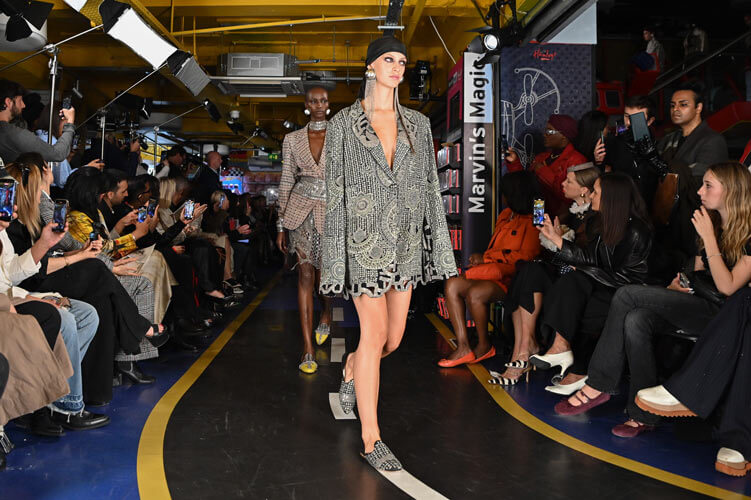
Fashion weeks increasingly resemble social calendars—processions of goodwill, sponsorships and mutual admiration. This atmosphere has its virtues. But movements are born from friction, not comfort. Difficult conversations are postponed in favour of continuity.
The work ahead lies in strengthening the spine: aligning creativity with commercial reality, building systems that outlast spectacle, investing in people and processes rather than optics alone. It lies in expanding conversations beyond who wore what, where one showed and which platform amplified it.
Indian fashion does not lack talent, energy or imagination. What it lacks, at this moment, is the confidence to trade applause for accountability, and visibility for viability.
The shell is already shining. The question is whether we are willing to build what must hold it up.