The Voice of Fashion
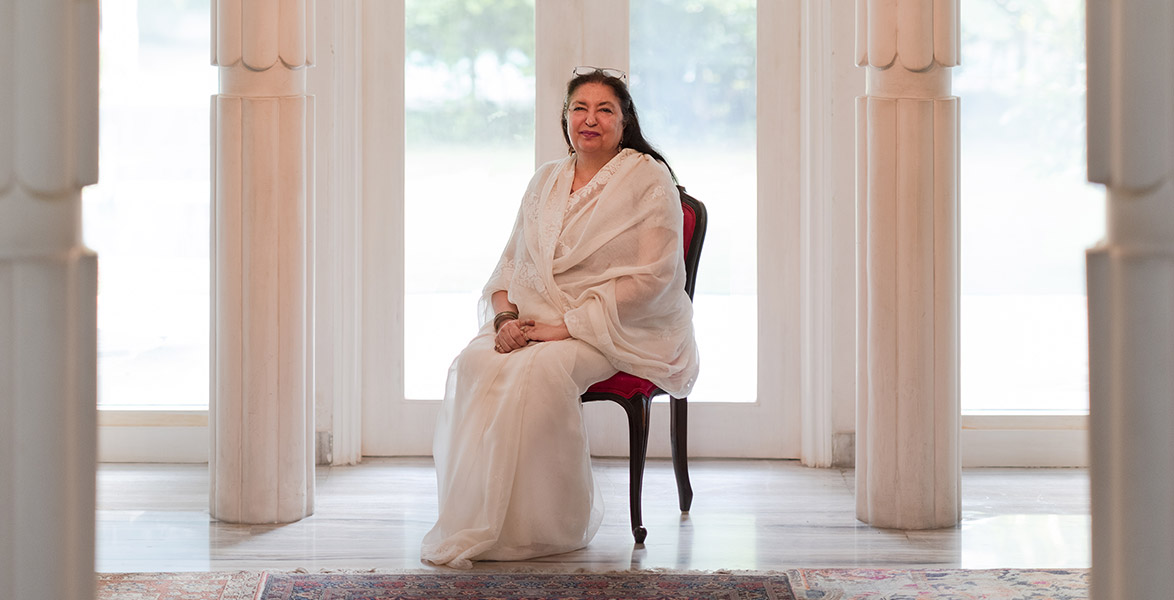
For three decades, Good Earth founder Anita Lal, a professor’s daughter, has been bringing back what India left unappreciated: the dohar, the dhoona, kansa, the Mughal poppy… A conversation about a brand that tended Indian living like a garden
Anita Lal’s study has a tree spirit. It grows its own trunk and branches inside the Lal family home on Delhi’s Panchsheel Marg, which itself is surrounded by trees. Books, plants and pots. An apothecary like a homeopathic physician’s glass cabinet. Table covers with palms; mugs with Ottoman designs. A bed-like sofa that could double as a therapist’s couch, wearing a poppy-printed cover with a dohar thrown on top—not a razai, not a blanket. The air wafts with the essence of neroli. Some green-blue frames sit on the floor to be filled; others, which have found a story she is ready to tell, are up on the walls.
Lal’s brown, delicately embellished silken kurta, rust lipstick and gemstone bangles come up for notice only after her presence fills the room. I am having nimbu paani and black coffee at once, with freshly baked cake, because each comes in such pretty crockery that I would rather have it all. The table we sit at is small; the iMac across the room is large. There is no television.
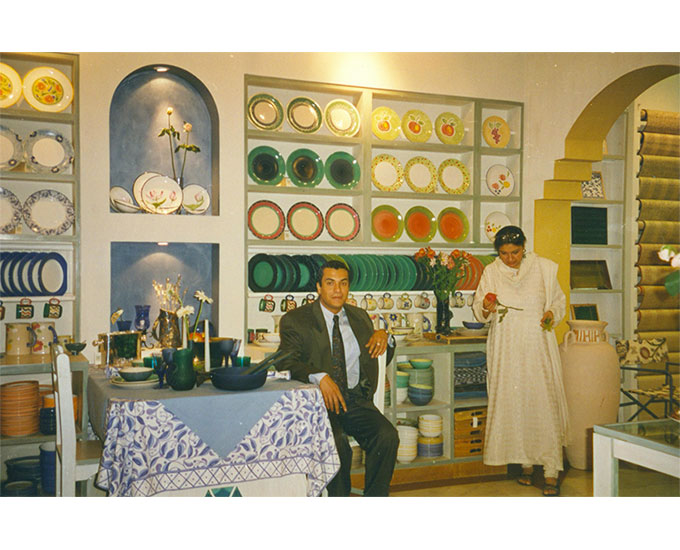
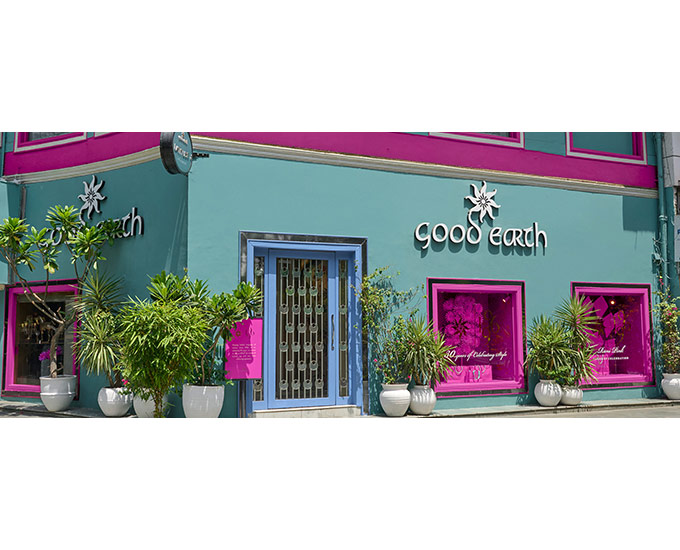
Thirty years of Good Earth—the first store opened at Kemps Corner in Mumbai in 1996, then another at Raghuvanshi Mills, Mumbai in 2005; followed by the storied one in Khan Market in Delhi in 2007, seven years after a small edition in Santushti complex in 2000—have brought me back to AL. That’s what she is fondly called. Today, Good Earth has 11 stores including one in Dubai.
I have interviewed her several times in the last decade, often through the lens of personal subjectivity. This disclosure is consciously placed at the start.
A studio potter who raised a brand born from the earth, she wears astuteness like a fine pashmina shawl around her shoulders. She can regale you with stories from India’s national movement to her compelling interest in Orhan Pamuk’s Istanbul, the fractures in the Ottoman Empire which she researched for her interest in the Bosporus as inspiration. Conversations with AL are seamless in their flow; as she retrieves India while her philosophy mixes East and West. But it is seldom as easy to disentangle her meanings from their threaded layers and narratives. “Everything has a story. I don’t just put any pretty flower for the sake of it. My reason for doing Good Earth was never to have another business. It was to create something of value. To make us all proud of our heritage and to let it live with us rather than lose it,” she says.
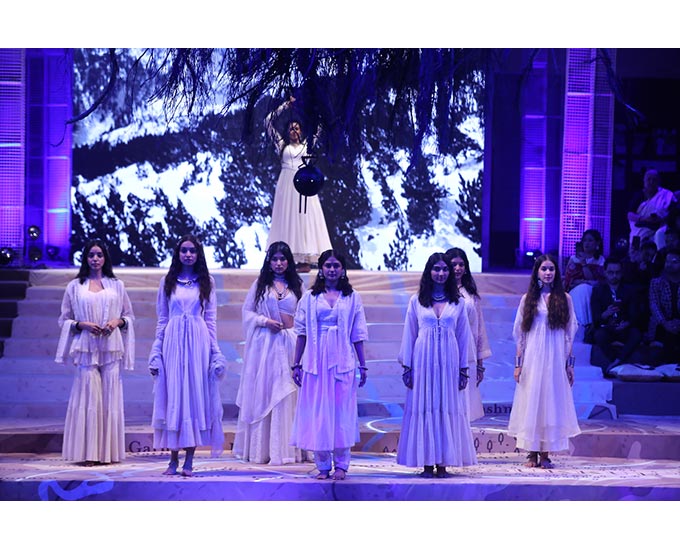
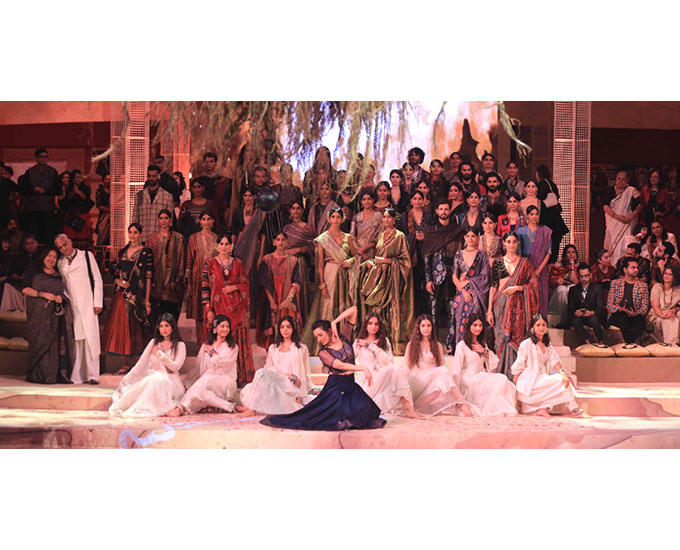
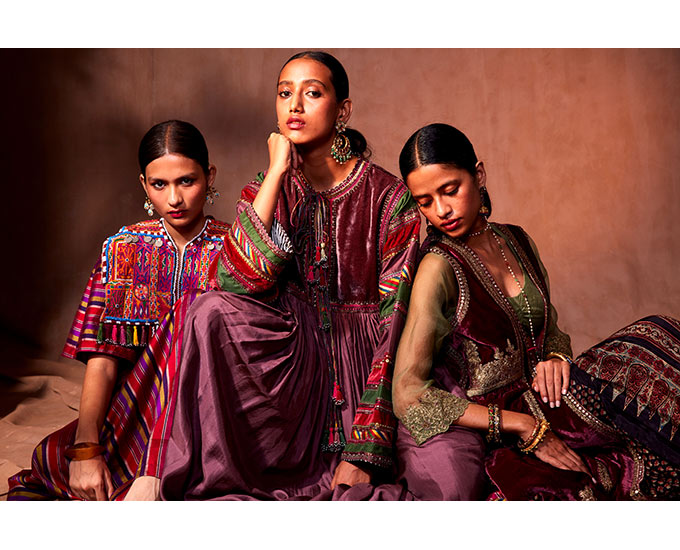
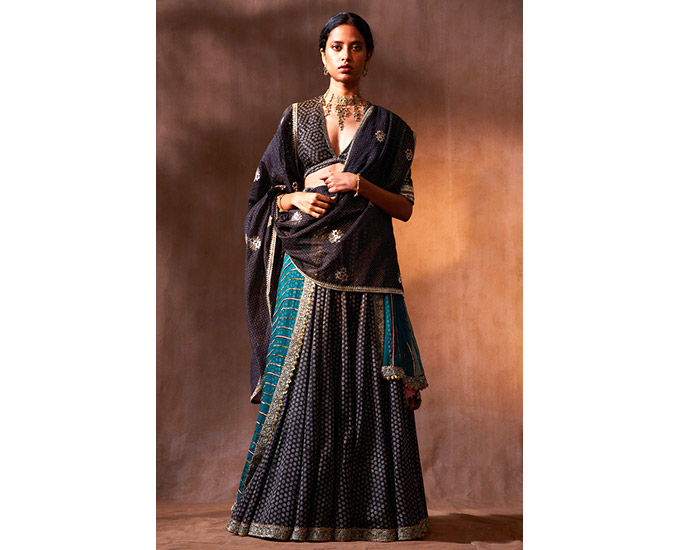
For a story that wraps 30 years of India’s most known luxury lifestyle brand, it is easier to open the Milestones page on the Good Earth website. Set by a timeline, it allows you to gawk at chillies on plates, Kerala’s Periyar lake on mugs, and motifs from the Indus on velvet cushions. The 2015 V&A exhibition named Fabric of India, and a memorable collaboration with the late Rohit Bal—Husn-e-Taairat—to mark 20 years of the brand stack up. These and many other inflection points. I remember with sharp nostalgia the brand’s 2019 standalone show Sindhu which was dominated by Ajrakh and Fustat fabrics, and its Heirloom Project for The Met in 2021.
There is aesthetic distinction everywhere. Not everything in Good Earth archives is singularly created by AL. Her daughter and first lieutenant Simran Lal, along with their skilled and loyal teams of designers, creators, and strategists, external artist and crafts collaborators have done the brand proud. But each motif, product or collection links to an expression of life and times—her own and that of Good Earth. Of people and places, colours and fabrics, music and mithais, dhoonas, dohars and durability. Asked what the word “new” meant for her 30 years back and what she makes of it now, her response is “not new as much as unappreciated or unexplored…that’s what I tried to bring back.” Her arguments are about retrieval, by design.
Trying to write what Good Earth means to India in its 30th year and what India continues to mean to Good Earth, I worry about missing the wood for the trees. But perhaps retrieval is the wood; everything else is trees.
The Roots
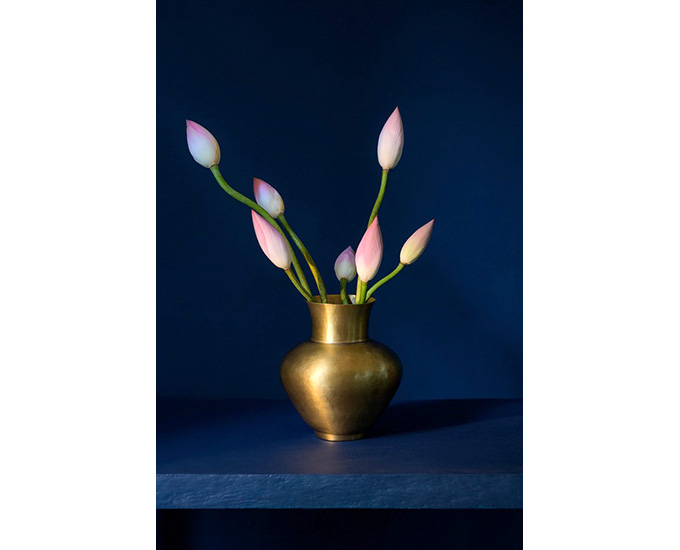
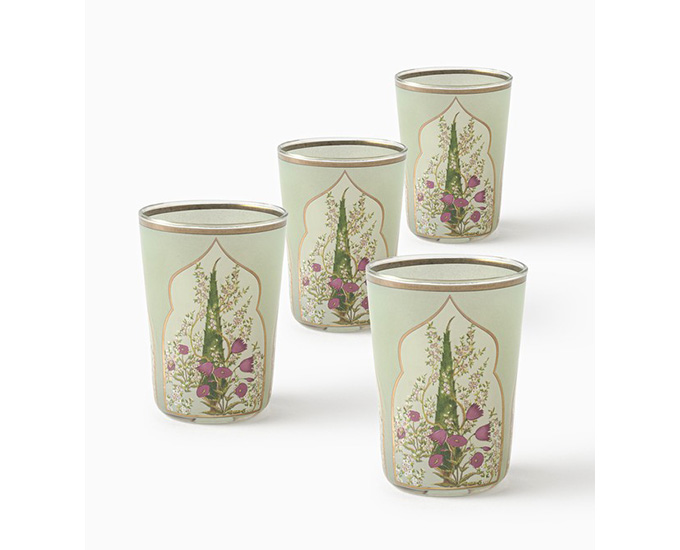
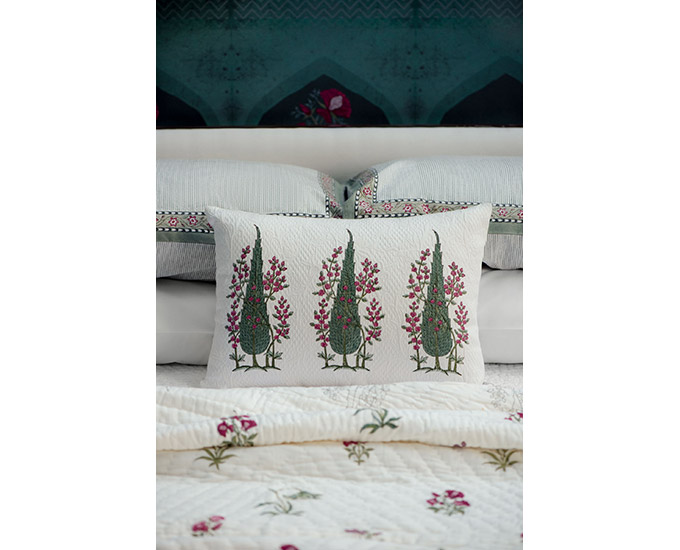
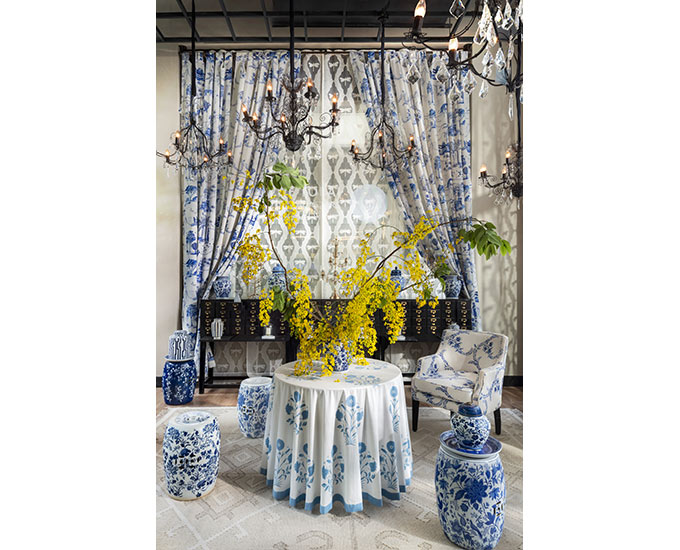
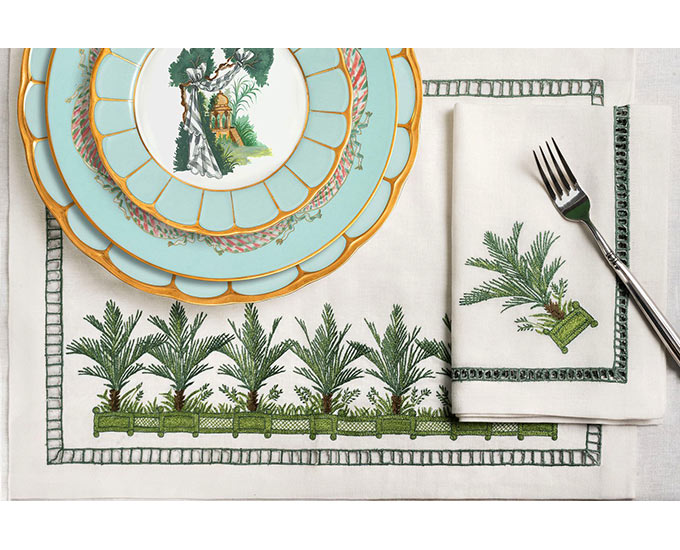
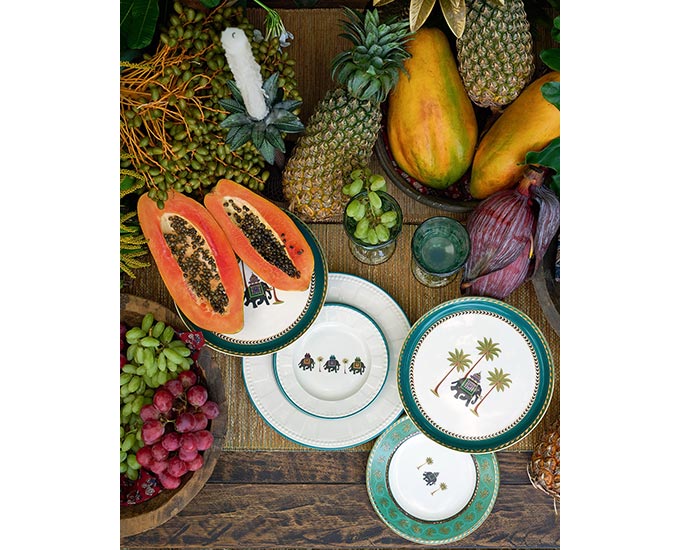
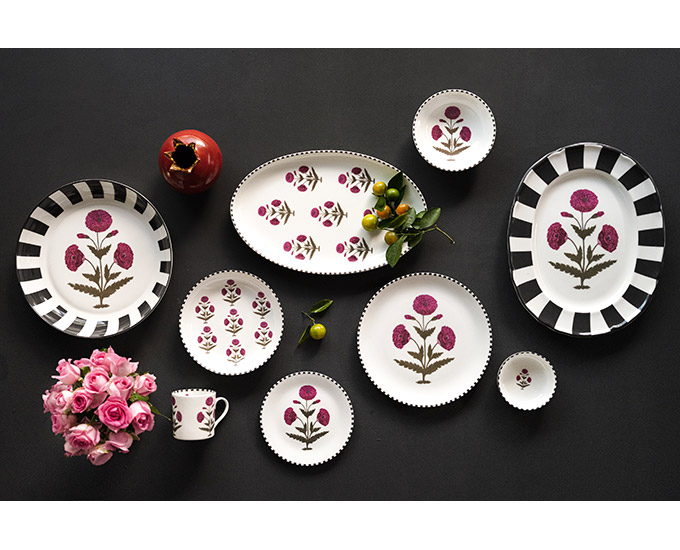
For those who know the brand, two signatures form its roots. First, the Mughal aesthetic of delicacy, symmetry, the poppy—or the Imperial Agra which is back this year, as AL says. And second, “the natural world”, brought together through palms, mango and banana trees, elephants and parrots, motifs from the Indus or ripe, red pomegranates. This design vocabulary comes from thinking about culture, she says. I would add the clay of pottery from the brand’s early mugs from Auroville, Pondicherry—now no longer on the shelves.
The Trunk
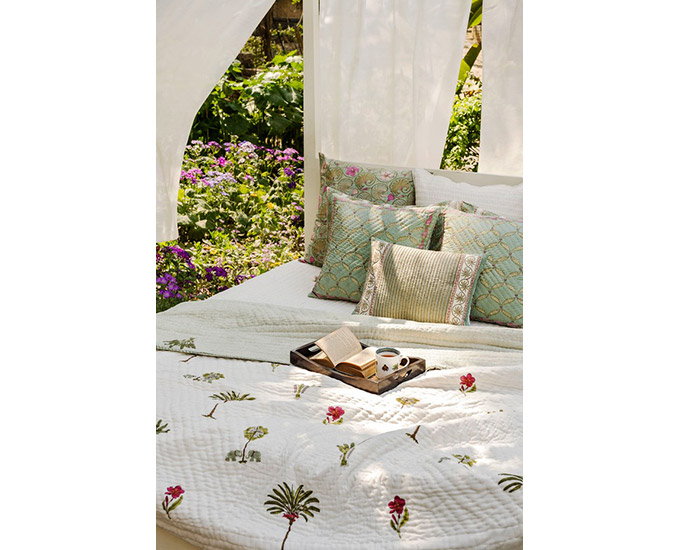
What grew with the brand were some things Indian homes had begun to put away. “Good Earth was the first to interpret the dohar and name it thus, adapted from the Nepali khasto. So, you could wrap yourself in something when you woke up,” says AL. Today, entire factories are making these dohars but not quality pieces. She shows the new and upcoming dohar-razai, a trans-seasonal hybrid, like a gudri.
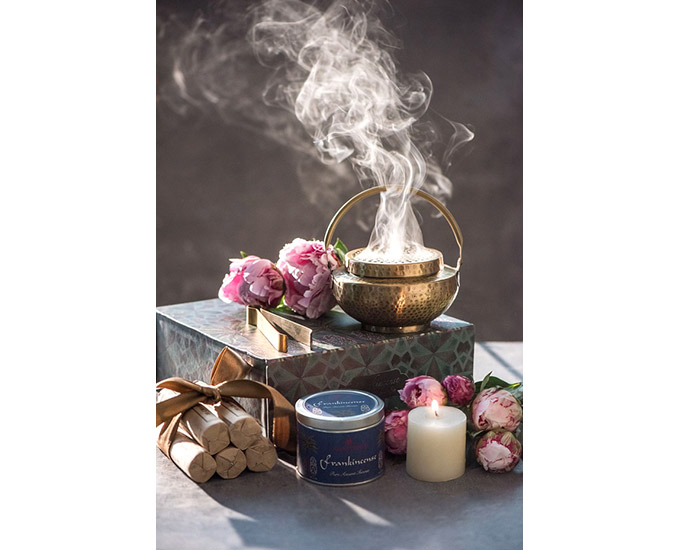
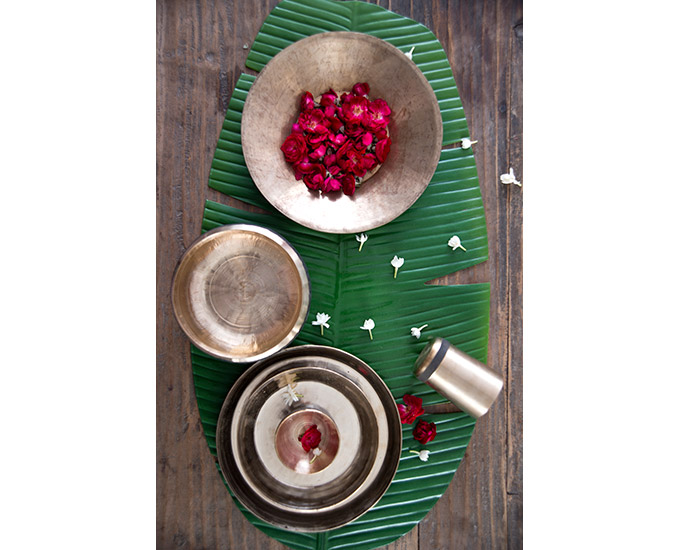
The dhoona had its own rescue: frankincense sourced through a friend in Assam, a traditional dhoona dani recreated with cane on the handles because the metal grew hot, and coal briquettes with tongs for apartments that no longer burnt coal. Then copper jugs, which she says kill E. coli bacteria as opposed to plastic which breeds it, and kansa for the table. “We would have lost the dhoona, we would have lost the copper jug, really.” The “we” is the India she observes, retrieves, translates.
The Soil: Privilege and Belonging
“Daughter of a professor,” as she calls herself; Lal was raised in a Punjabi refugee family. “We had no money but the house was full of books. There were books everywhere.” She speaks pertinently about her studies in psychology and how the depth of research sharpens a curious mind.
Over the years, this pragmatic mom of three, has spoken infrequently about her own mum though. I bring it up and she agrees, yes, her mum doesn’t surface as easily. That’s where we leave it.
Stories from the growing up years of her three children however keep echoing—Simran, Siddharth and Tara are now known individually for their work in fashion, art, craft and cultural sustenance.
Given AL’s openness, I ask her if she would have been able to create Good Earth without the resources and privilege her marriage to Eicher Group chair Vikram Lal gave her. Her confessional “no” is clear. “I would not have been able to do much without strong financial backing. Most people, even in the villages, have great potential; the only thing that holds them back is capital, finance, opportunity and support. In that sense, I don’t want to take credit. I could easily have been just, I mean, an IAS officer somewhere,” she says. That was her father’s dream.
Her marriage to Vikram Lal would change everything. She struggled for a few years to make sense of Delhi’s social life that she became a part of. “But even today, it is not my world. I have never belonged, to tell you the truth. That’s why I brought up my children with the same values we grew up with, good middle class values. Value people, our earnings and our relationships.”

The Branches And The Leaves
So how would you describe Anita Lal today if you had to, I ask her. “Bad—because of the irrepressible energy and passion. Because I also tend to push boundaries and jump in deep ends with every new idea I have, which has resulted in a lot of problems for my managers,” she says. She relents that she has learnt to pace herself, a bit, over the years, but not enough. “And I never will because that’s not my personality. I have learnt to at least take others along, think about things a little longer.”
From these tenacious tendrils come colour stories, fragrances and beauty rituals. Anti-ageing, skin repair and restoration with natural ingredients and Himalayan herbs are a part of her playbook. No conversation, casual or formal, is complete without wellness. It is fascinating to see her open bottles and jars to explain the very delicate peculiarities between wild berries, saffron and a protective, hydrating ingredients.
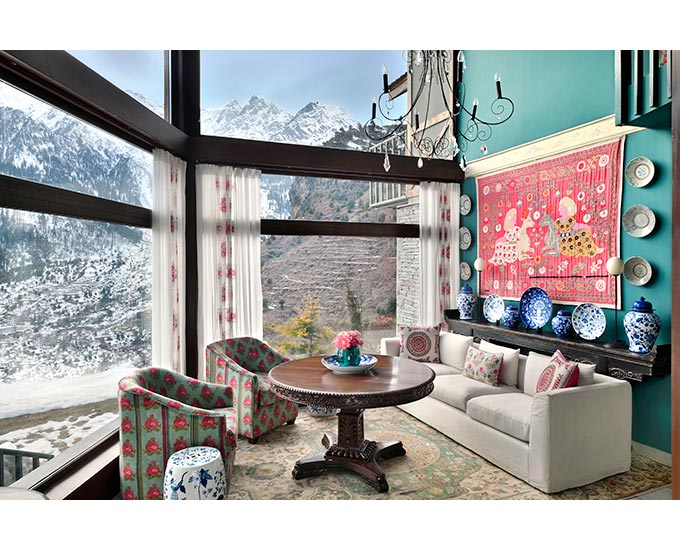
Going by her leanings, if you suspect AL’s favourite colours are the outspoken ones from the great Indian shade card of heritage, they are not. I pick green-blue as the shades of her mind, which in many ways dominate many of Good Earth’s stories. She agrees. “Painters are my favourite people, my besties and I will try 20 shades for one stripe,” says AL, grinning away. It is from her work with painters, printers, makers, potters, decorators, her teams of designers and textile specialists that the branches of Good Earth have grown. Her apparel line Sustain, Paro for jewellery and other beautiful things, Sitara the ultra-luxurious wellness resort in the Himalayas, ITI and Amritam for fragrances skincare rituals.
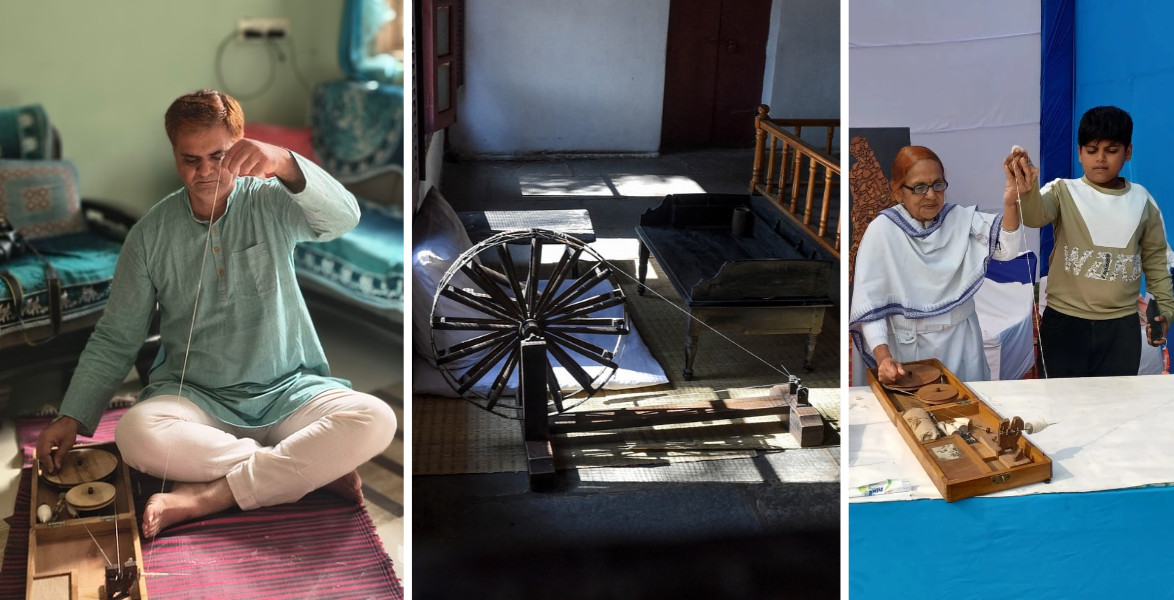
Among AL’s highpoints is opening the Fabric of India exhibition in London with a Khadi scroll as a homage to Mahatma Gandhi.
The Tree Stands In a Garden
Trees in a ‘Tree of Life’ are not judged by their height. They are read by their roots, their fruits and flowers, and how they weathered storms. When AL says the Good Earth family is a garden, not a jungle, one that doesn’t run wild, her teams—more than a thousand people over 30 years—might agree.
Good Earth’s fruits are now ripe. They live in the Periyar mugs that pour morning brews, copper bottles packed into gym bags, kansa thalis, a dohar pulled close at dawn, a dhoona carried through the rooms at dusk. Mostly, though, in luxury homes.
That is the other side of the ledger. The dhoona and the copper jug were once every day, inexpensive things in ordinary homes, and they came back as luxury. For all the refinement of their redesign, the brand’s pricing is now debated even among loyal customers who return to it time and again.
Thirty years ago, when Indian luxury looked West, Good Earth made the Indian home aspirational to Indians themselves. The copies that now flood the market are its proof and its price. They are also how the dohar now finds a way into homes that will never enter a Good Earth store. A tree in a walled garden still drops its seeds over the wall.
Banner: Good Earth founder Anita Lal.