The Voice of Fashion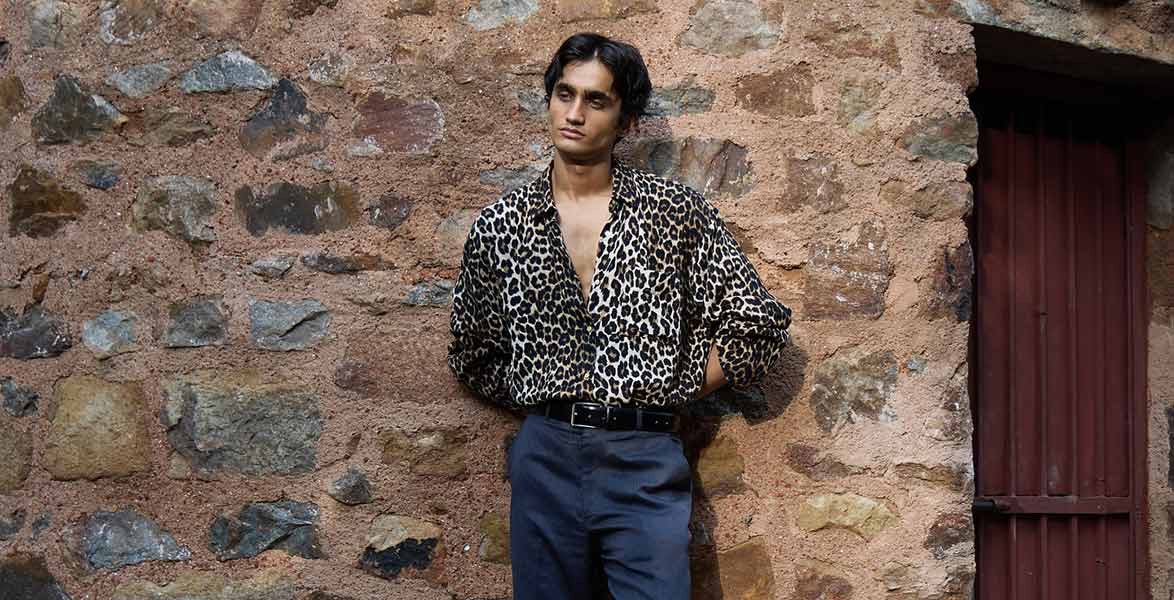
The bell tolls again for the Indian fashion industry.
Divyanshu Joshi, who died last week in a quarry near Ernakulam while accompanying a campaign shoot for Kartik Research, was not just a model. A mourning note posted by the brand on Instagram described him as a “dear colleague”.
“For the past two years, Divyanshu led our Delhi store with warmth, dedication and generosity,” says the note.
An email sent to The Voice of Fashion by the brand’s France-based PR representative in response to a request from this writer today, states that Joshi had participated in a campaign shoot at a local theatre in Kochi earlier that day. The team later travelled to North Kochi to scout a location for potential future use. The brand’s founder Kartik Kumra and the director of the campaign both were present. According to the statement, no filming took place there.
The fatal accident reportedly occurred when Joshi entered the water the second time and swam towards a deeper section of the quarry. Despite efforts by the Kerala Fire and Rescue Services, he could not be saved. He was declared ‘brought dead’ at Perumbavoor Taluk Hospital. This email also claims that the director and the team had asked Joshi and ascertained that he could swim.
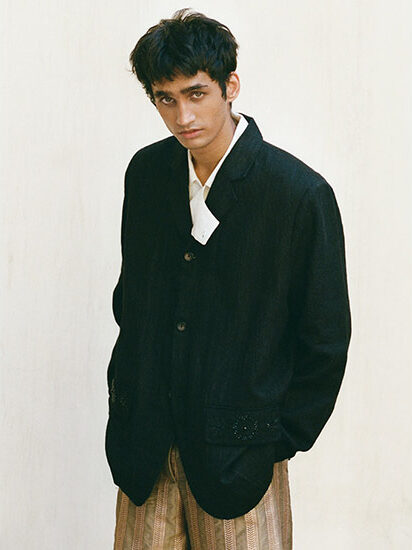
The circumstances surrounding the tragedy are now a point of heated public debate. Questions have also, rightly enough, been raised about the delayed public acknowledgement of Joshi’s death by the brand and by creative lead Kumra himself. Writer Aishwarya Subramanyam was among the first to point this out on social media.
Yet beyond questions of timing, grief and communication lies a larger issue that Indian fashion has repeatedly avoided confronting.
Fashion Industry and The Problem with Goodwill
Since Joshi was an employee of Kartik Research and not just a model, like most registered organisations, his employee’s contract might presumably not be as informal as that of a freelance model. But overall the Indian modelling industry continues to operate largely through informal arrangements, personal networks and professional goodwill.
Joshi’s death has thus reignited conversations about responsibility and accountability, which surface only when something goes terribly wrong. As a matter of fact, these questions extend far beyond a single tragedy. Models and other freelance professionals need safeguards while they are alive, not just dignity and acknowledgement in death.
Joshi’s death has thus reignited conversations about responsibility and accountability, which surface only when something goes terribly wrong.
Except contracts that are signed with large corporate entities, this informality is reportedly a given. Conversations with industry seniors suggest that companies such as Tata, Reliance, Unilever and organisations such as the Fashion Design Council of India work within formal frameworks that include legal protections, risk clauses and insurance provisions for all sides involved. During COVID-19, in 2021 for instance, the Mumbai edition of Lakme Fashion Week then organised by RISE Worldwide, booked the entire St Regis hotel in the city for six days for models and showcasing designers and necessary talents, barring all other presence. The teams ensured daily Covid testing and retesting and safety measures.
However, the situation is often different when it comes to independent fashion shoots, designer campaigns, ateliers, production teams, stylists, creative directors and models. Relationships are built on trust. Payments are negotiated informally. Expectations are implied rather than documented. Protections that would be standard in many industries are usually absent.
Accusations That Went Nowhere
Rarely has a major designer, fashion company or creative professional in India faced sustained public scrutiny over issues such as denied payments, workplace safety, mental harassment or discrimination. There have been instances, but most were quickly settled, quietly resolved or faded from public discussion.
In 2018, male model Kawaljit Singh publicly accused designer Vijay Arora of sexual harassment during the #MeToo movement, highlighting power imbalances between young models and influential industry personalities. In 2020, more than 30 models accused TFM Talent Agency of non-payment of dues amounting to nearly ₹ 1 crore. Last year, model Roshni Sharma spoke publicly about the financial precarity of fashion modelling and the industry’s expectations of unpaid labour disguised as opportunity.
These incidents are different in nature from the circumstances that surround Joshi’s death. Yet, they emerge from the same structural condition: weak protections and weak accountability. None of them led to any sustained investigations.
The Missing Safety Net
What is seldom discussed is workplace safety itself, the kind of situation where Divyanshu Joshi lost his life. How often are risk assessments conducted before campaigns are shot in unique (and sometimes risky) locations? Are safety briefings mandatory when teams visit unfamiliar locations? Should the production firm hired locally be held culpable when accidents of this nature happen? What kind of emergency medical support is accessible at times such as these?
Many questions follow if we must make a checklist. Are models insured? Who bears liability when something goes wrong? What contractual protections exist for the people whose bodies and presence make fashion campaigns possible?
These questions become urgent only after tragedy strikes. In a professionalised industry, the answers should exist all the time.
Divyanshu Joshi’s death should not become another episode of collective outrage followed by collective amnesia. Fashion has spent decades professionalising its aesthetics. It is time to professionalise its duty of care.