The Voice of Fashion
The recognition of Ladakh’s prized artisanal products is a valuable milestone. The harder task lies ahead. It is about converting provenance, authenticity and heritage into sustainable economic value for artisan communities
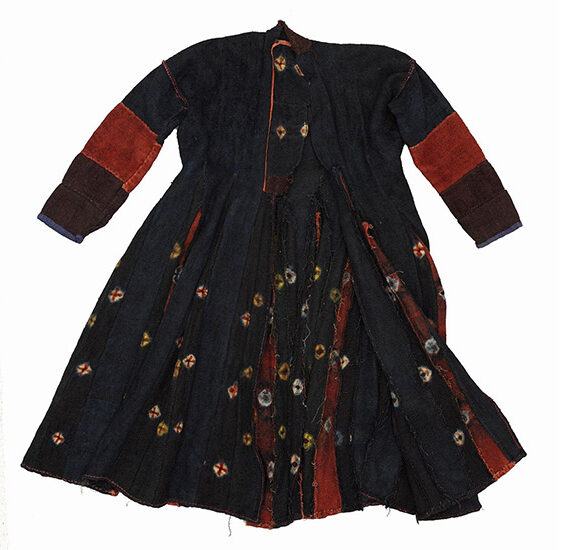
The recent grant of Geographical Indication (GI) status to eight traditional products from Ladakh—Ladakh Challi Textiles, Ladakh Thigma, Ladakh Painting, Pabu of Ladakh, Ladakh Nambu Textile, Ladakh Pashmina Textile, Ladakh Chilling Metal Work and Ladakh Likir Pottery—marks an important moment in the recognition of the unique region’s cultural heritage.
These latest registrations add to Ladakh’s growing portfolio of GI-tagged products. Earlier, Raktsey Karpo Apricot, Ladakh Pashmina, Shing-Skos (woodcarving) and Sea Buckthorn had received recognition.
The application for GI for Ladakh Pashmina Textiles—perhaps the most valued among Ladakh’s artisanal creations–had been moved in November 2024 by Looms of Ladakh Women Cooperative, a producer’s association. The UT administration later became a co-applicant instead of just remaining a facilitator.
“The GI tag will ensure global recognition, authenticity, and protection for our artisans, empowering them with rightful economic opportunities while safeguarding Ladakh’s unique traditions,” VK Saxena, the Lieutenant Governor of Ladakh UT said on X after the GI status was announced.
In a telephonic conversation with this writer, Saxena, who was formerly the LG of Delhi–also the former chairperson of Khadi India, responsible for its rebranding–spoke about his concerns over the exploitation of herders, growers and agriculturalists of Ladakh by profit-focussed trading organisations. He mentioned, that in several ways, his office intended to empower local communities, including those working in Ladakh’s barren lands that needed attention. Most importantly, Saxena says, he is keen to implement the qualitative segregation of pashmina wool sourced in cruelty-free ways, in black, brownish, white qualities for appropriate pricing and appreciation.
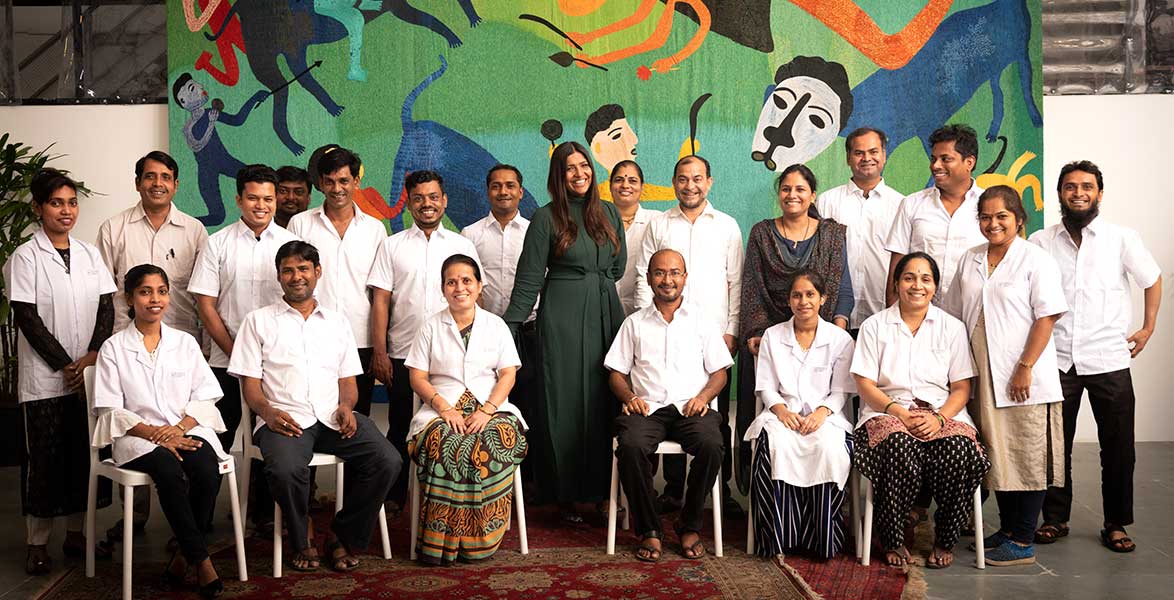
On the other hand, Abhilasha Bahuguna, who represents Looms of Ladakh mentioned they had also been guided by the Ministry of Textiles through the GI application process. In an email sent to the media, Bahuguna emphasised that post-GI work will matter and it is not just the award that should be celebrated. “It is our proposal to UT Administration to work together by building on-ground and create an Annual Performance Index of GI Ladakh Pashmina Producers. This Index is to rank the performance of all producers, firms, cooperatives, self-help groups in Ladakh who voluntarily share their annual audited financial statements, artisans’ earnings, and ESG-related compliances.” She believes that this Annual GI Index list should ideally be made public at airports, through media and other channels. “The facilitation board of Ladakh Pashmina includes Handloom Export Promotion Council (HEPC), National Handloom Development Corporation (NHDC) who will work on traceability, spinning plant and BIS Testing Lab of Ladakh Pashmina Textiles in Ladakh.”
Beyond Provenance to Value Creation
Those are good learnings from India’s experience with GI products. Registration is not the finish line.
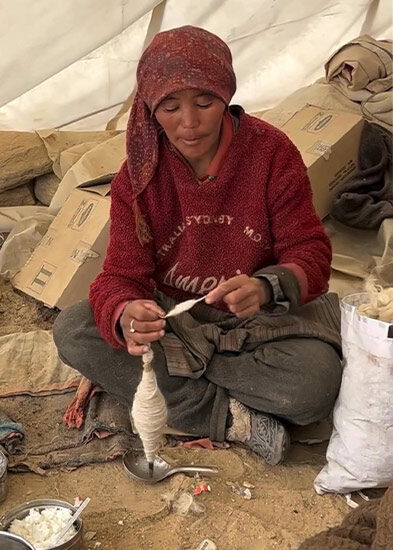
For Ladakh Pashmina Textile, this recognition is particularly significant because it extends the conversation beyond raw fibre to the unique textile tradition itself. The GI application traces the craft to the Changthang plateau, the Changpa pastoralist community and generations of weaving knowledge shaped by Ladakh’s geography and climate. It positions pashmina not merely as a luxury fibre but as a cultural ecosystem.

The challenge now is translating recognition into value. Across India, many GI tags have succeeded in preserving identity but struggled to improve artisan incomes, create traceability systems or build market differentiation. Thus, traceability measures, testing infrastructure, producer benchmarking and greater transparency around artisan livelihoods will indeed be the litmus test.
If implemented effectively, these measures could shift the focus towards accountability. The question is no longer whether Ladakh’s pashmina deserves recognition because that stands established. The question is whether the GI can help ensure that the economic value and recognition also remains with the communities that produce, weave and sustain it.
The authenticity tag provided by the GI tag lays the ground for future work. To build institutions, human knowledge systems, quality standards and market mechanisms that can turn into lasting opportunity.