The Voice of Fashion
As India’s student protests over examination paper leaks grew into a national movement, another largely uncontested power found itself under scrutiny: celebrity. Bollywood and cricket stars are being asked to stand up and be counted
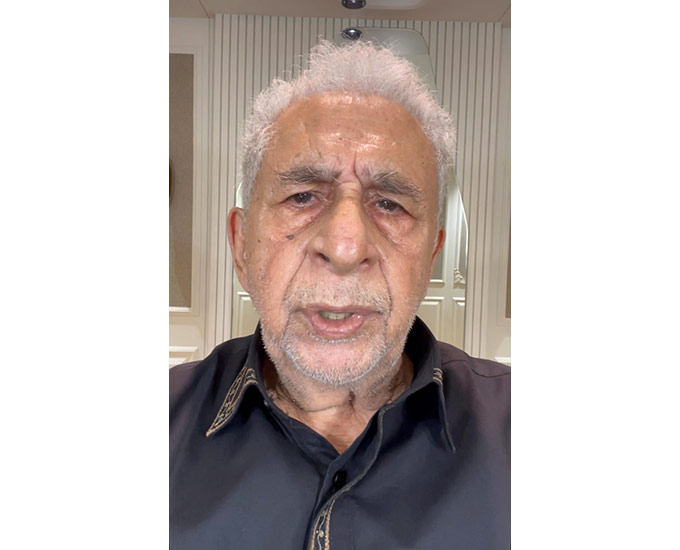
The chasm between actors Naseeruddin Shah and Kangana Ranaut—the latter also a politician—in their apparent socio-political convictions and articulation is so wide that it is unlikely to ever close. India will clap for Virat Kohli when he scores runs for the country, with the reflexive adulation reserved for a cricket star. But in our heart of hearts, we also know Kohli is unlikely to wear his heart on his sleeve when it comes to the right to protest.
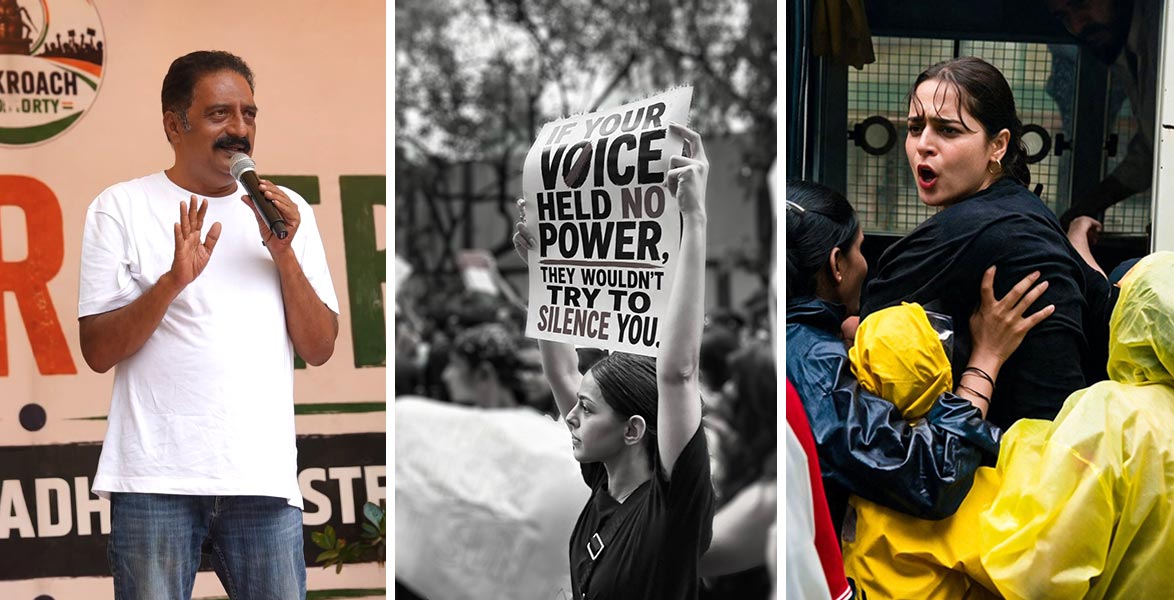
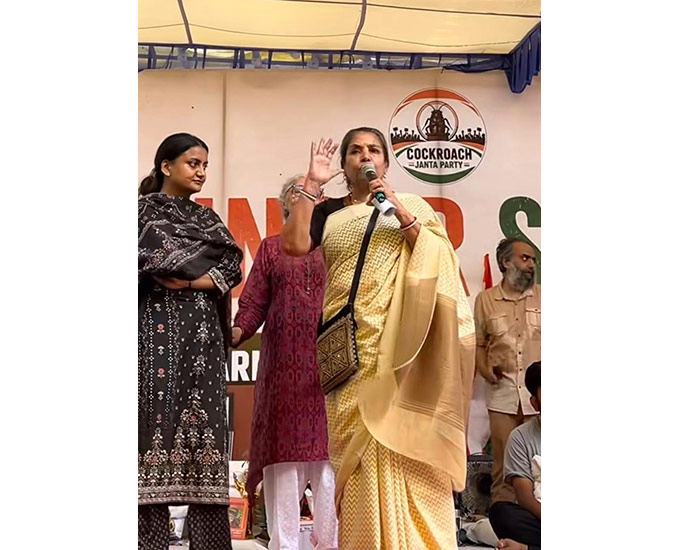
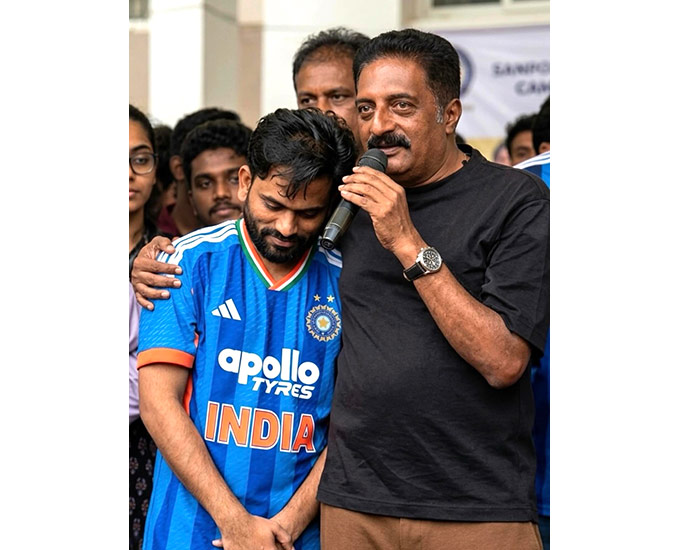
Then there were those who spoke. Huma Qureshi expressed solidarity at the Jantar Mantar protests. Ratna Pathak Shah used the Eklavya metaphor from the Mahabharata to ask who had really been wronged—the guru or the shishya. Swara Bhasker made clear where she stood on education and employment. Veteran actor Shabana Azmi responded unequivocally. Prakash Raj joined the protest, held the Constitution of India and warned his industry that history will remember those who did not turn up.
Contrast this with professionally composed celebrity statements, like those put out by Kareena Kapoor Khan or Alia Bhatt among others, seemingly designed to occupy every possible position simultaneously.
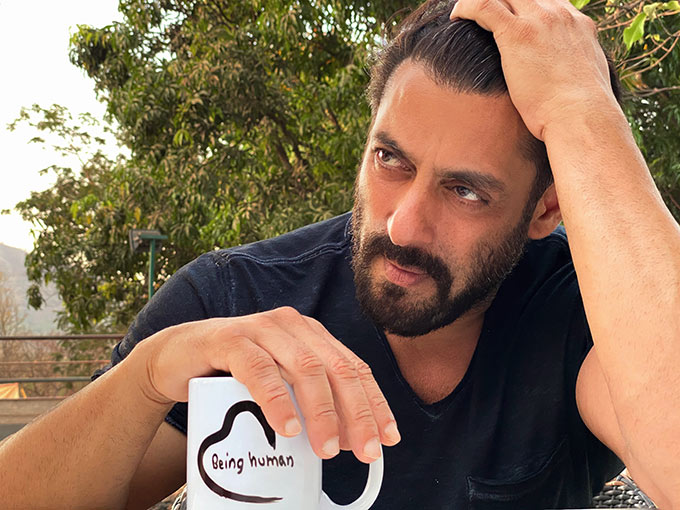
We, the people of India, are now highly literate in the language of public relations. We know what a statement sounds like when every potentially “troublesome” noun has been removed from it. We recognise sentences about “healing”, “unity”, “our youth”, “coming together” and “difficult times”. We also recognise what such sentences often fail to tell us: what the person issuing them actually thinks. “Bhai” Salman Khan calling activist-environmentalist Sonam Wangchuk “bro” landed. Only to evoke more shrugging laughs than the unflinching observations of comedian Vir Das.
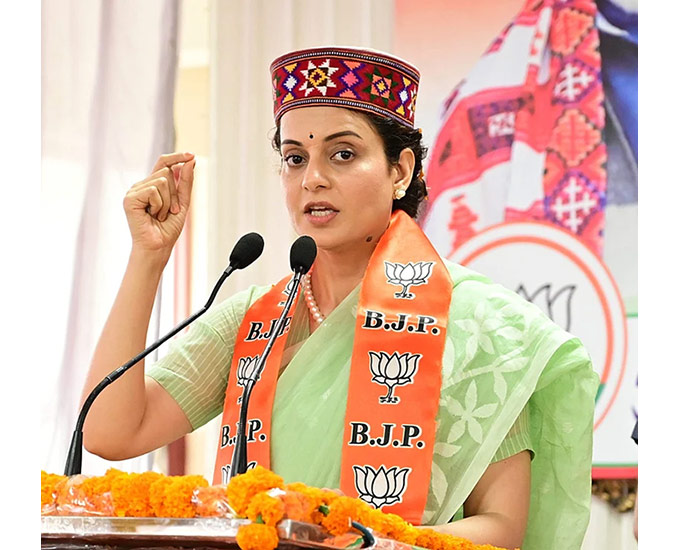
Kangana Ranaut provides the opposite—and particularly complicated—case study. Responding to the protests, and to abusive language used by some young people against the prime minister and others, Ranaut turned her attack on Gen Z. Her comments went far beyond criticising foul language. She began using it herself, describing young protesters and young women as “Generation Gutter”. She attacked their appearance, employability, relationships and ability to become homemakers.
The response was ferocious.
Overall, while protests ultimately led to the resignation of Union education minister Dharmendra Pradhan, alongside the political story ran another, apparently smaller but culturally revealing one. Where were a majority of India’s most loved celebrities? And another: If our heroes are missing in real action, must fandom too acquire a conscience?
The Changing Bargain Between Star and Fan
Back in the day, we loved stars enough to write letters in blood, fast and pray for them, queue outside their homes for a glimpse or a touch. We bought movie tickets, watched cricket matches, copied haircuts and clothes, and bought products because famous faces told us to. In return, celebrities gave us glamour, fantasy and that mysterious substance called stardom.
Social media dismantled much of that arrangement years ago. It took away distance and, with it, some of the mystique.
Celebrity became content.
The student protests of 2026 exposed the consequence of that shift. Audiences no longer want only access to celebrities. They increasingly want to know what they stand for.
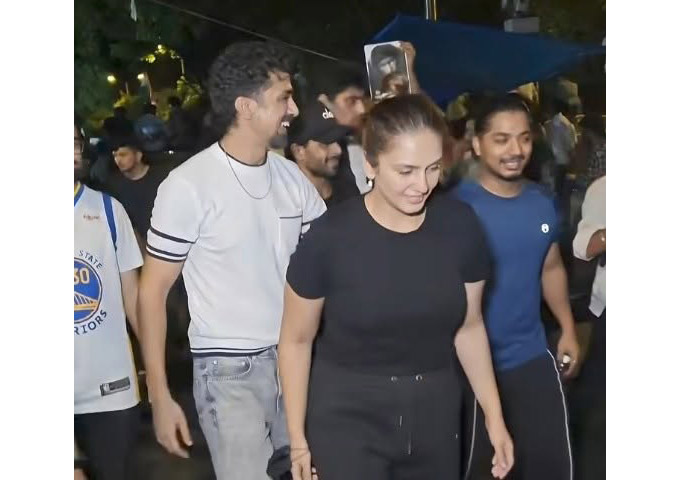
Recently, this question became loud enough to travel beyond Indian social media. The Guardian, for instance, reporting on the protests, described Indian celebrities as being “fiercely criticised” for their silence and reported accusations of “cowardice” against Bollywood stars as hundreds of thousands of young Indians challenged the government.
It is an extraordinary reversal of the conventional relationship between the Bollywood celebrity and fans in India.
Not just that, Indian celebrities are traditionally paid, feted and photographed for turning up. Refusing to turn up, now, conveys a signal too. In simple terms: will they only show up and speak if they are paid?
After all, every Instagram follower is part of an economic asset. Every fan is a potential cinema ticket, streaming view, endorsement consumer or amplifier. Celebrities monetise familiarity and identification on an unprecedented scale. They ask audiences to care about their films, fashion, fitness, beauty brands, holidays, insurance policies, health checks, causes and lives.
It becomes increasingly difficult to tell those same audiences that public or political life is none of their business when something genuinely consequential occurs.
The Power of Withdrawing Fandom
This does not mean young audiences expect every actor to become an activist. Nor should political speech become another compulsory performance demanded from public figures. A celebrity parroting the fashionable position because a social-media team has detected a shift in sentiment is hardly evidence of conscience.
The more interesting distinction may no longer be between the political and apolitical celebrity.
It may be between the consistent and the expedient one.
You may disagree profoundly with Naseeruddin Shah. You may dislike Swara Bhasker. You may find Kangana Ranaut’s politics objectionable. But it is easy to discern that these people believe something.
That has value in the contemporary attention economy.
Because today’s audience can also fact-check celebrity mythology in real time. An interview from 12 years ago, an old photograph, an Instagram caption, a political opinion, a previous endorsement, an earlier version of the self—all can be retrieved within minutes and placed beside today’s statement.
The celebrity whose beliefs alter according to an endorsement, movie release, fashion show, the government in power or the mood on social media faces a different risk. Not cancellation. But unpopularity.
The Public Résumé of the Young Celebrity
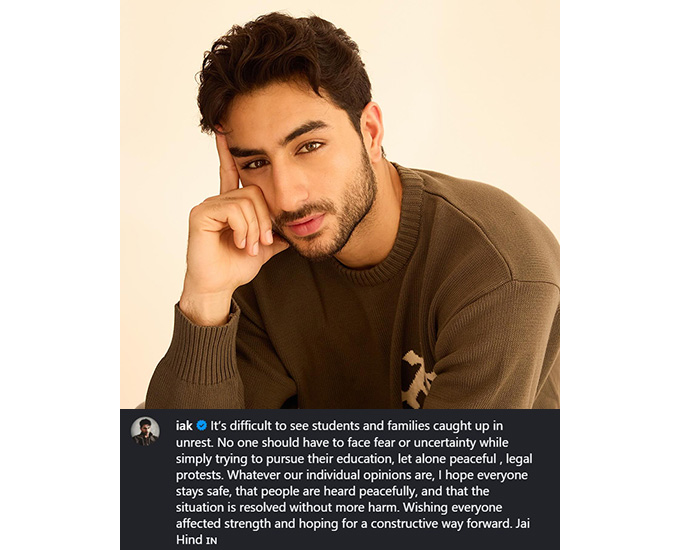
Which brings us to the generation now entering fame. Young actors—many of them nepo kids—along with a new generation of cricketers and sports stars, are becoming famous at a moment when the old template of celebrity neutrality, the dependable “no comment”, is losing its utility.
Their audiences have grown up with receipts, screenshots, call-outs, unfollows and instant comparison. They don’t encounter celebrities from behind a velvet rope. They encounter them in the same feed as police action, student testimonies, memes, political arguments and videos from protests.
The glamorous and the grim now occupy adjacent squares on Instagram.
As Indian fandom becomes politically fractured, regional, classed, generational and frequently contradictory, perhaps the most consequential question facing a celebrity is: What are you willing to risk your popularity for?
The Indian star has not fallen. Stardom remains enormously powerful. Glamour is not going anywhere, and neither is fandom.
But celebrity exceptionalism—the assumption that you can endlessly demand public attention without being accountable to the public that gives it to you—is finally weakening.
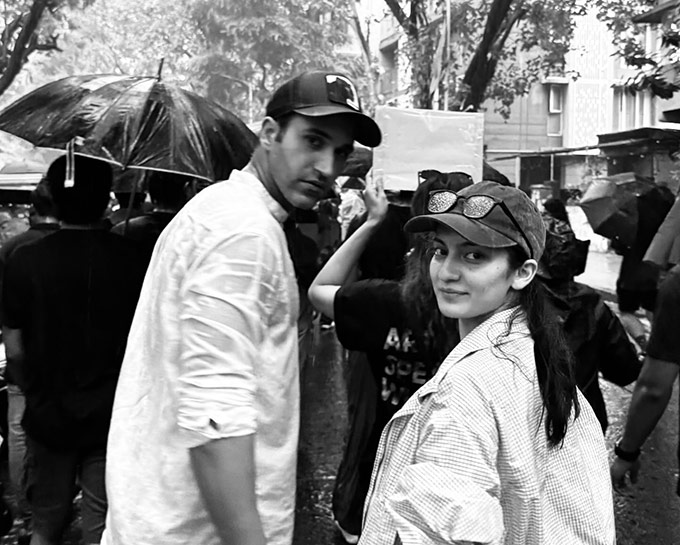
Banner: From the protest site (Delhi and Mumbai) featuring Prakash Raj, Alaya F and Ayesha Khan.