The Voice of Fashion
At the IFCCI–Comité Colbert conference in Paris, the luxury conversation moved beyond handbags and heritage to address how craft, culture and design can shape the next chapter of Indo-French creative exchange
Some conferences resemble fashion shows. They dazzle for a few hours before dissolving into a folder of photographs. Every once in a while, though, one leaves behind an idea worth carrying home.
That is my takeaway from India’s New Script on Luxury, Craft and Culture in Paris, organised by the Luxury Committee of the Indo-French Chamber of Commerce and Industry (IFCCI) and Comité Colbert.
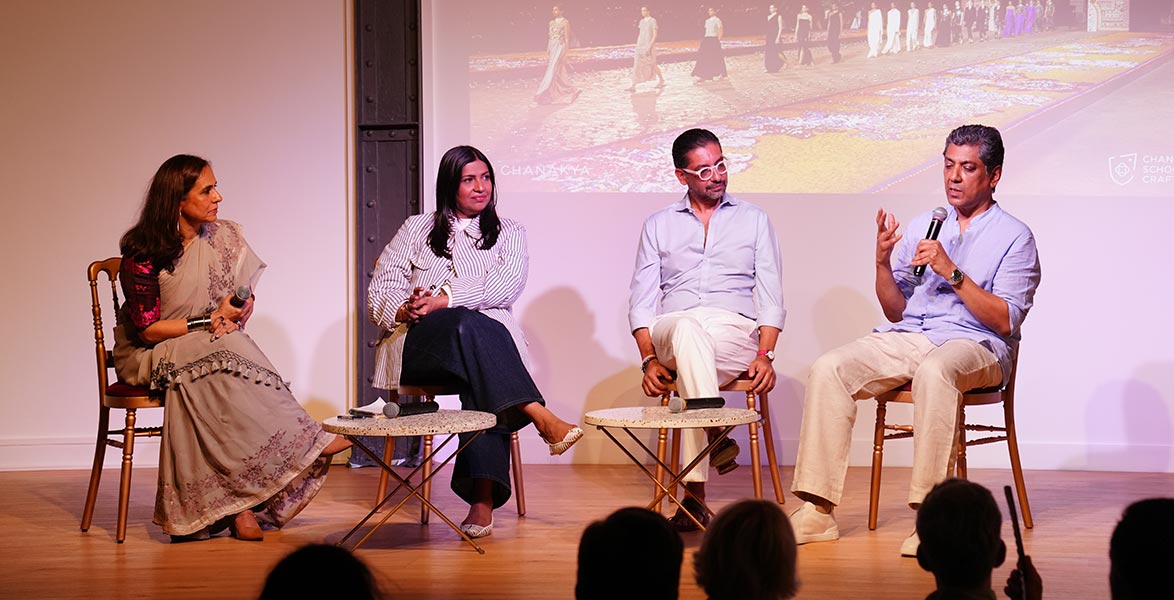
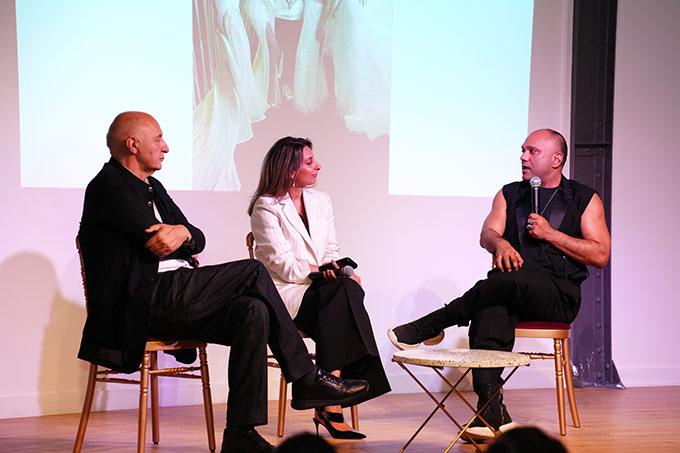
I represented TVOF to present insights from The Atlas of Affluence 2026: The Rise of Indian Luxury while moderating a panel on the Indian consumer with designer Karishma Swali, artist Vikram Goyal and Rohan Vaziralli of Estée Lauder Companies. Each looked at India’s evolving consumer through a different lens. As I have often argued, consumer insights are really anthropology disguised as market research. They equally are studies in psychology, revealing not just what people buy, but what they admire, aspire to and eventually become. Markets tell us what people buy. Culture tells us why.
The Indian consumer has changed because the world has changed its gaze towards India. That gaze matters. Or as couturier Gaurav Gupta said in one of the conversations. “India is a vibe”. Luxury offers an unusually rich, intersectional prism. Few industries allow making, knowledge, markets, aesthetics, policy and culture to occupy the same room quite like luxury does.
Yet, not everything India creates or contributes to the world can be funnelled through the grammar of luxury. The confidence of today’s Indian consumer, has also been shaped by our music, literature, cinema, sport and technology finding audiences across the world with a renewed curiosity and respect.
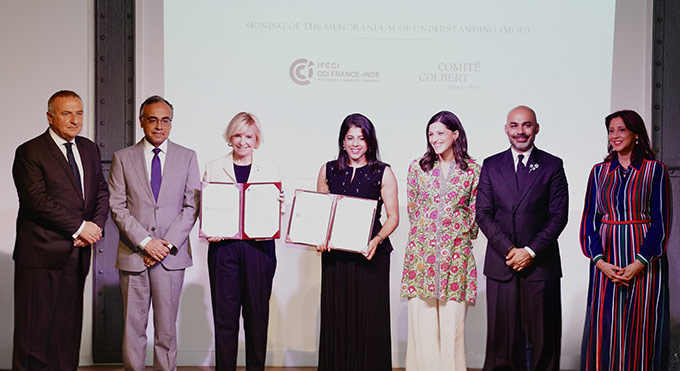
The conference marked the signing of a landmark Memorandum of Understanding between Comité Colbert and IFCCI, creating a framework for sustained Indo-French collaboration across luxury, craftsmanship, culture, design and the creative industries. MoUs are relatively easy. Institutions are harder. Implementation is hardest. If these proposed exchanges travel beyond Parisian boardrooms and Indian corner offices into design schools, museums, ateliers and artisan clusters, the agreement will have earned its significance.
What I appreciated most was that the conference trusted its audience with robust ideas. They came one after another—as conviction rather than cliché. No panel reduced luxury to handbags and heritage, the two pegs on which we too often hang every conversation about the subject.
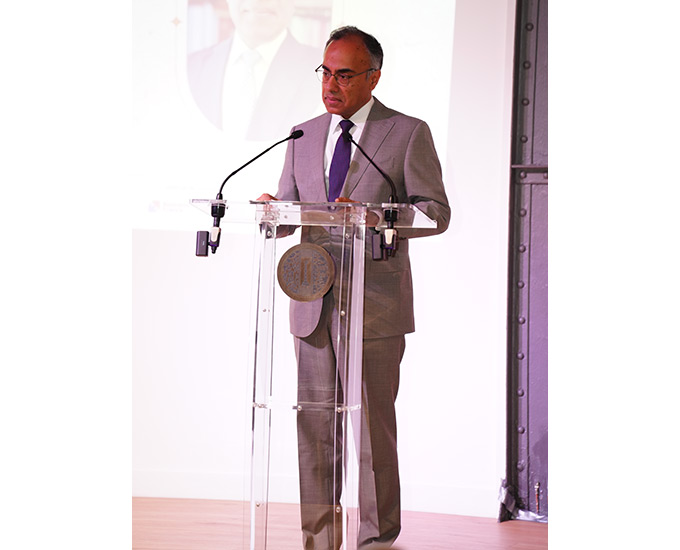
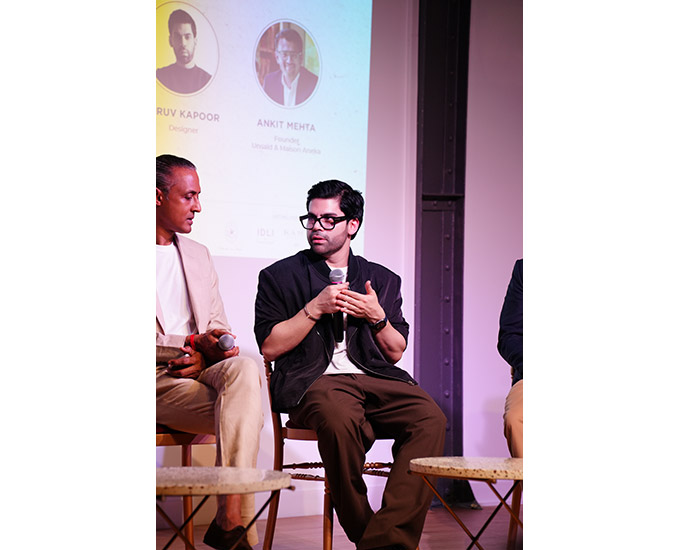
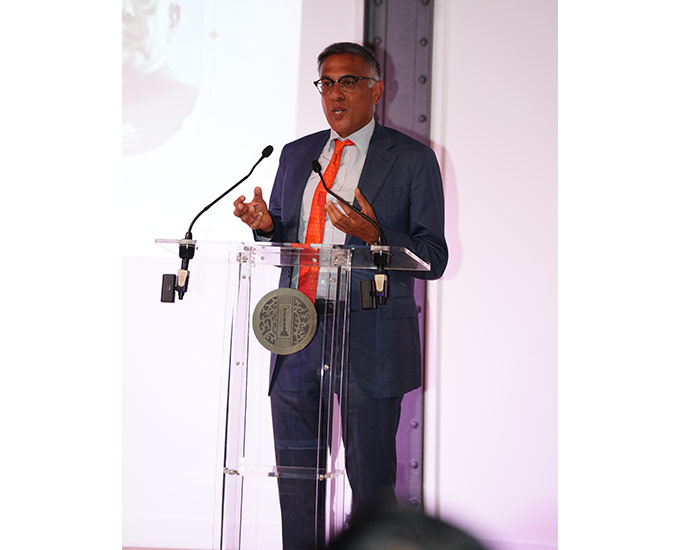
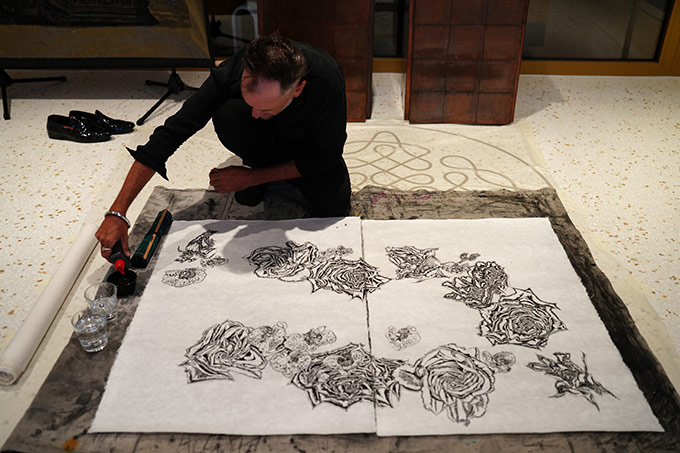
Whether it was India’s Ambassador to France, H.E. Sanjeev Singla, French ministers and diplomats, Pascale Morand of the Fédération de la Haute Couture et de la Mode, representatives from India’s luxury retail ecosystem, or younger voices like designer Dhruv Kapoor and influencer Masoom Minawala, there was remarkable convergence around one idea: the next chapter of the Indo-French relationship will depend as much on the exchange of knowledge, talent and institutions as on the exchange of goods. The French voices were as invested as the Indian ones in imagining what those exchanges might look like.
As someone who enjoys public speakers who leave audiences with frameworks rather than clever soundbites, I found Trilegal Founding Partner Akshay Jaitly’s presentation on the growth of French luxury in India particularly compelling. Lawyers, it turns out, can sometimes tell the cleanest stories.
India has never lacked craft. Nor has France lacked the ability to recognise, nurture and build enduring institutions around culture. The opportunity before both countries is, therefore, larger than luxury itself.
Banner: Panel discussion at India’s New Script on Luxury, Craft and Culture, organised by the Luxury Committee of the IFCCI and Comité Colbert.