The Voice of Fashion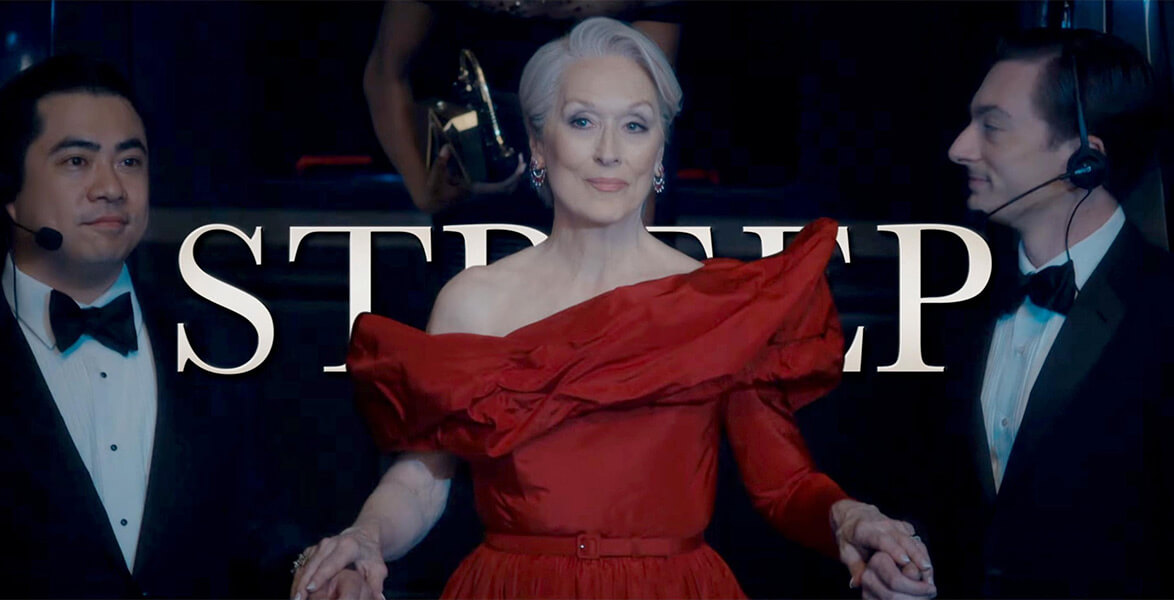
A defanged sequel where Miranda Priestly presides over fashion’s institutional decline—editors shrink, advertisers loom, and survival replaces style
It is 10 am on a Friday morning, and instead of the daily editorial meeting with the TVOF team, I am in a crowded PVR in Noida to watch Miranda Priestly do a Miranda Beastly on us (the slight is from the film itself). A fashion apologist, I have dressed up to watch Director David Frankel’s The Devil Wears Prada 2, hair and makeup DIY. No Chanel, Dior or Prada—but overdressed optimism to watch fashion’s favourite Devil with glee and flutter.
The joke, as it turns out, is on us, little-big fashion apologists.
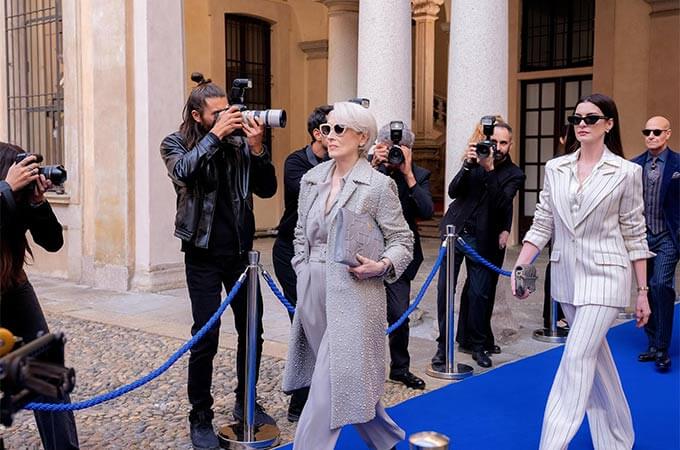
The softening of Miranda Priestly, played with swagger and ice by Meryl Streep, already feels like a letdown—even before the film, produced by Wendy Finerman, begins to convince us about fashion’s diminished authority.
Two decades ago, a cerulean sweater launched satire as fashion’s funkiest knit and cruelty as a fashion editor’s claim to power. It had to be thrashed out in a thousand think pieces across global media. What was fashion after all if not power dressed as froth—vain, ruthless, and fully aware of its own theatre? The theatre remains in this one too, but the lights are dimmed and someone from finance is shouting “cut”.
For a journalist who went from hard news to becoming a fashion editor (as this writer), the firing of Andy Sachs (Anne Hathaway)—from serious, award-winning journalism to cost-cutting collateral—should feel emotional. It doesn’t. The film by is too busy managing decline to allow viewers to feel anything much about it.
It is hard to pretend it is a film about fashion. It’s an HR memo with excellent lighting, an office with the best windows in Manhattan and an unmemorable editorial team.
Priestly—the high priestess of taste, terror, and editorial dictatorship—wears her coat of arrogance alright. But beneath those layers, the devil has lost so much weight on the treadmill of the magazine’s declining relevance, its popularity, advertiser troubles and the challenges of “traction” on socials, that her couture doesn’t sit well. The famous chill remains. The cruelty whimpers.
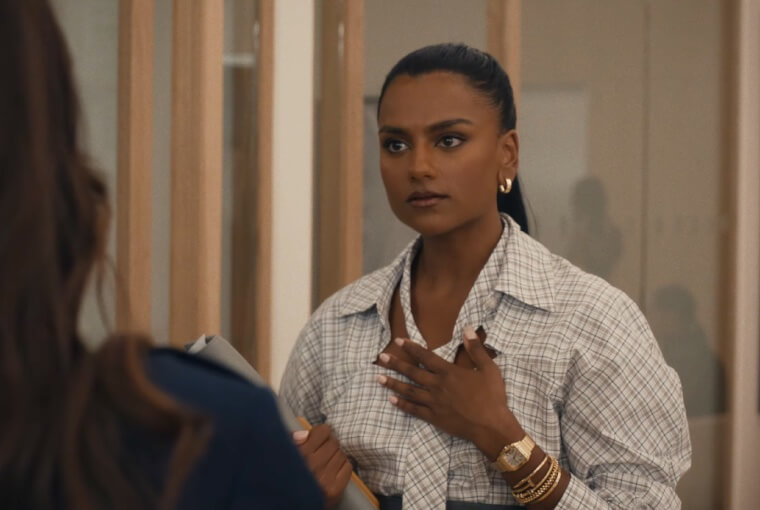
Oh yes, there are a few gorgeous clothes, but only in flashes. Priestly’s red gown upon her entry in the film, and a series of exquisitely chosen earrings, Simone Ashley’s (in a teeny weeny role) fleeting elegance and scenes from fashion shows that last mere seconds. But fashion itself feels incidental, its self-love has been pushed to take a back seat and the incredible muchness of couture is missing. Even when “Dolce dresses an entire funeral”.
The writing by Aline Brosh McKenna for the screen is good, but only in parts. Even the satire feels sponsored in some places. Is it the writing on the wall for fashion?
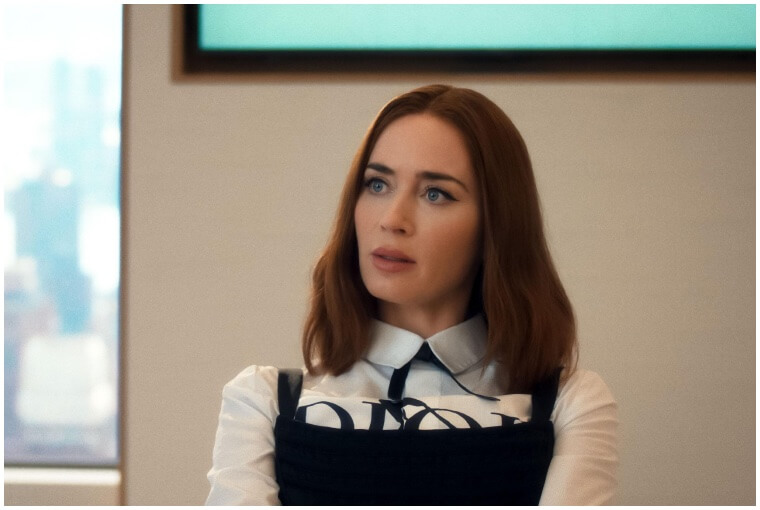
What drives the film is anxiety. Not aesthetics, not excess, not the once absurd yet fascinating conviction that fashion matters; but rather the panic of staying powerful in a collapsing system. Fashion magazines are no longer arbiters of taste. They are legacy burdens with residual prestige, as the real-life Condé Nast experience with some of its publications has revealed to the world. The editorial floor is no longer the house of power. It is a cost centre.
But moderating Priestly is like stripping the boning out of a corset—what remains may hold, but it doesn’t command. The same could be said of fashion magazines—losing them is the loss of a certain, valuable hauteur in media. Priestly herself hasn’t become kinder or less impervious, she has been downsized and looks bored—including with herself. Wonder if the all-powerful Anna Wintour feels the same.
Even though Lady Gaga arrives bristling and boisterous (in Gaurav Gupta for one scene), smirking at Priestly and the world, the film seems almost apologetic about fashion.
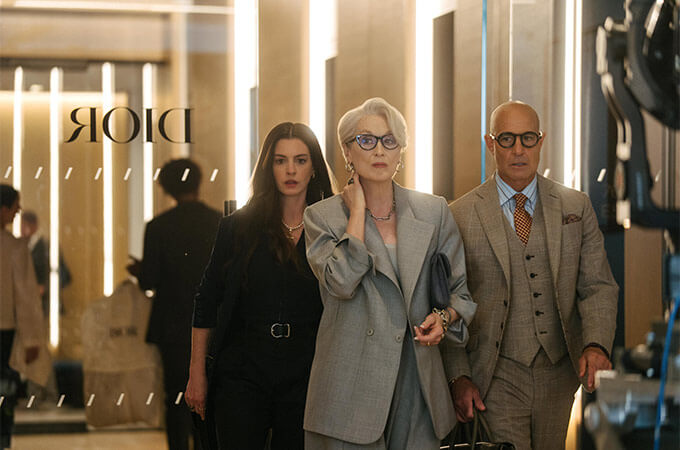
Except for Stanley Tucci’s Nigel, Priestly’s number two. With his impeccable dress and demeanour, his unabashed love for clothes and bags, his suave control of the Runway’s walk-in closet, he is the man who deserves to be editor.
This leaves us with a curious spectacle: a film about fashion that is less interested in fashion and more in business inconsistencies and the foxy betrayals of corporate leadership. It is led by a character defanged by context. If the first film, based on Lauren Weisberger’s novel, was about the seduction of authority, this one is about the predictability of decline.
The film knows this. It understands that the system is collapsing. But instead of skewering the absurdity, it tiptoes around it. It just doesn’t have the nerve to enjoy the demolition enough.