The Voice of Fashion
From rescue oils sourced in Ladakh to microbiome-friendly hydration and an upcoming sunscreen—a first across Good Earth’s wellness products. Founder Anita Lal on building rituals of care with flowers, oils and slowness
On my screen is Good Earth founder and creative director Anita Lal, wearing an indigo-dyed kurta, her freshly washed hair left uncombed. When she raises her hands while speaking on a Sunday afternoon video call, I notice the familiar stack of bangles, including the green glass ones I have routinely seen her wear over the years. Behind her is a study layered with books, papers and objects collected over decades of living with craft, beauty and design. Just the kind of atmosphere where she thrives. “If at this age, I can continue to create, I am fine,” she says, now two years away from turning 80.
But it is Lal’s calm, cheerful optimism that rises most clearly to the surface. To her skin.
She is speaking about ITI (“As Is” in Sanskrit), Good Earth’s recently launched bioactive skincare range that brings together botanicals, Himalayan ingredients and scientific research. As with every new category Lal has entered over the years—fashion and apparel, home, design and wellness—there is a sensory confidence around her.
“I would rather customers experience long-term results for themselves than promise magical transformations by riding on Good Earth’s reputation.”

Unbearable Lightness
Perhaps, that is why her hydrated skin and half-wet hair offer the right moment to begin a conversation about Padma Biome Drench, a deeply hydrating essence that sits somewhere between a toner and serum. It promises long-lasting moisture with what Lal calls microbiome support. Before the interview, I had tried a few ITI products, including the Padma Drench, Rose Avena Cream, Zafran Lotus Seed exfoliant and Wild Peach Everything Butter. The textures are delicate, the fragrances uplifting and consummate.
ITI’s website extends that atmosphere. It speaks of hydration, layering, Vedic wisdom, skin rituals and Himalayan ingredients with the detail of someone building not just a skincare line, but a worldview. There are nutrient-dense berries from Ladakh, marine algae formulated to help protect against sun damage, Damascena rose oils and restorative face butters. The language occasionally edges towards the poetic, but the larger feeling it creates is one of quietness rather than excess.
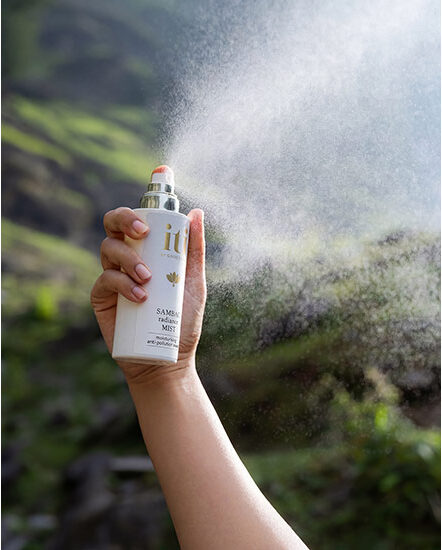
“It took me eight years to reach here—the research, the trials, the formulations,” says Lal. “And yes, the market is crowded. Do we need one more skincare range? But friends and family kept urging me to bring together a more holistic trajectory through these creations. Rituals, ancestry, wisdom, the joy of caring for your body, clean organic solutions… Maybe I would not have launched this range if I hadn’t started my work eight years back,” she adds.
Her vocabulary is restful. The beauty market is not.
Bustle in The Business of Beauty
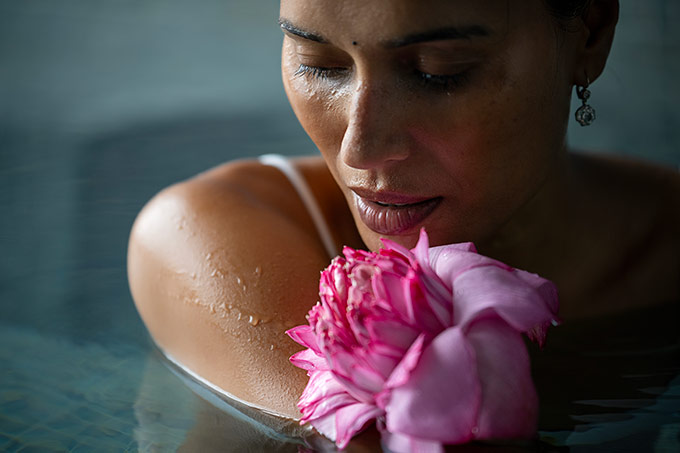
Even as words like ‘natural’, Ayurvedic, ‘organic’ and ‘gentle’ seep into beauty marketing, the skincare industry itself has become increasingly anxious, aggressive and overcrowded. Consumers are taught to layer acids, serums, creams and sunscreens with algorithmic fastness. The “muchness” of skincare is its own fatigue. Lal argues instead for slowness, correct sourcing, scientific rigour and mindful use.
“I have been working with Margaret Karlinski for years now. She is a leading chemist and aromatherapist and is our green police,” Lal says with a laugh. She is careful to distinguish ITI from vague wellness claims that rely only on the language of purity or nature. Most ITI ingredients are COSMOS certified, dermatologically tested and non-comedogenic. “Just because something is natural or organic doesn’t automatically make it safe,” says Lal. “I would rather customers experience long-term results for themselves than promise magical transformations by riding on Good Earth’s reputation.”
A Long Wellness Resume
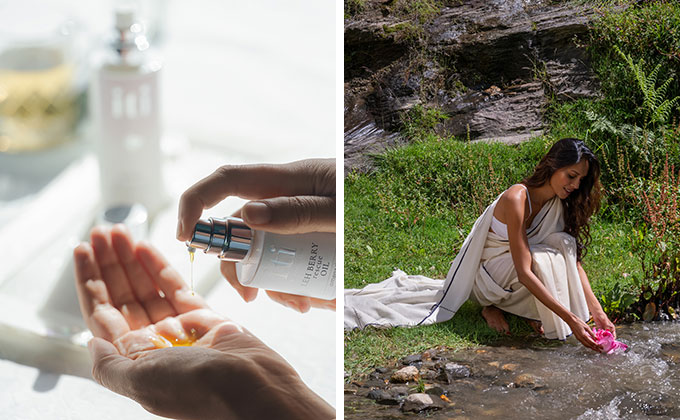
That insistence on credibility perhaps comes from Lal’s long relationship with wellness itself. Good Earth’s skincare universe did not begin with ITI. What now folds into the ITI line is Nityam, which emerged through the Paro wellness retreats, including at Sitara in Manali in the Himalayas. There’s also the Amritam bath and body products, which continue independently and are sold at Good Earth outlets and online. Lal describes years spent learning how to run her “apothecary”—a space where fragrance, healing traditions, research and sensory pleasure intersect.
ITI’s 17 new products in five categories include cleansing oils, creams, serums, rescue oils, exfoliants and face butters for hydration, barrier repair, restoration, calming and radiance. One of the more unusual launches is a teenage skincare line, including a Kewra Purifying Clay for acne-prone skin. “Teenagers go through hormones in disarray and often harsh skincare routines,” says Lal. “The products we created for them are soothing, targeted and preventive.”
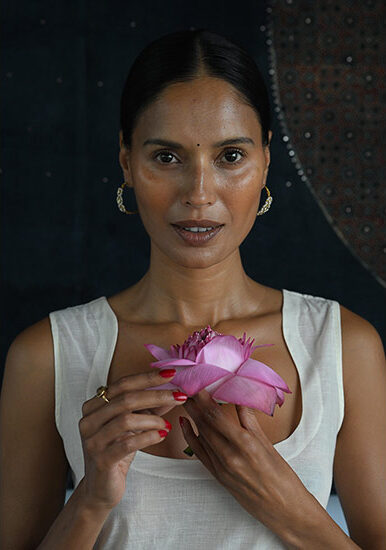

Then there are the Himalayan rescue oils—the Leh Berry oil, rare and pure, is sourced from Ladakh and a Kashmir Lavender variant is intended for repair and restoration. Lal speaks about them less like commodities and more like formulations shaped by terrain and plant intelligence.
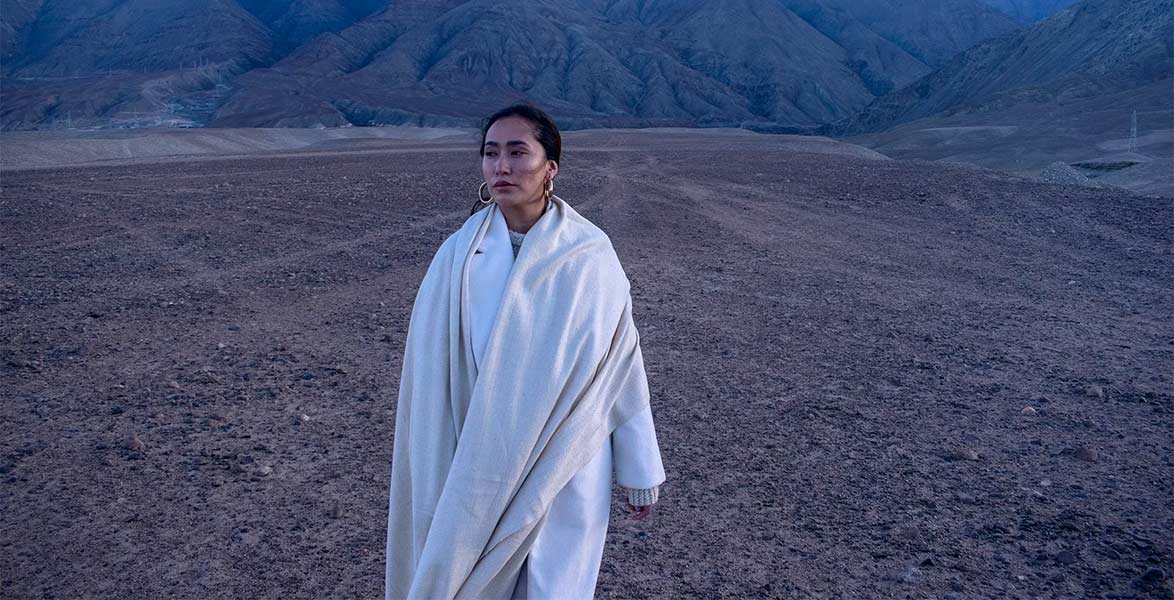
ITI’s first campaign features model Ujjwala Raut photographed in the Himalayas, drenched in hydrating essences and mountain light. More campaigns featuring younger people and men will follow, Lal says.
The most unexpected launch from ITI, however, will be an upcoming sunscreen. Lal has long been sceptical of what she describes as panic-stricken sunscreen culture: the relentless optimisation and fear around sun exposure without adequate understanding of formulation, necessity and time of use.
“Sunscreens have to be safe and they have to be used mindfully, not fearfully,” she says.
The ITI sunscreen may well bring that philosophy into the sunlight.