The Voice of Fashion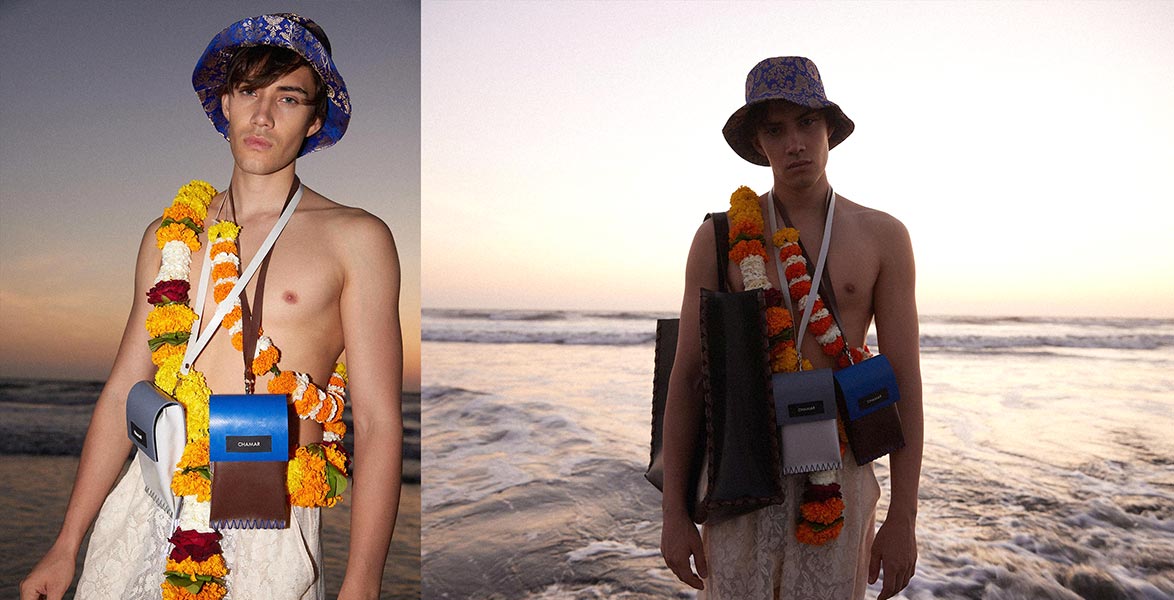
Fashion credits design, celebrates craft, and glamourises the hours of labour—but continues to avoid the caste realities that shape them all
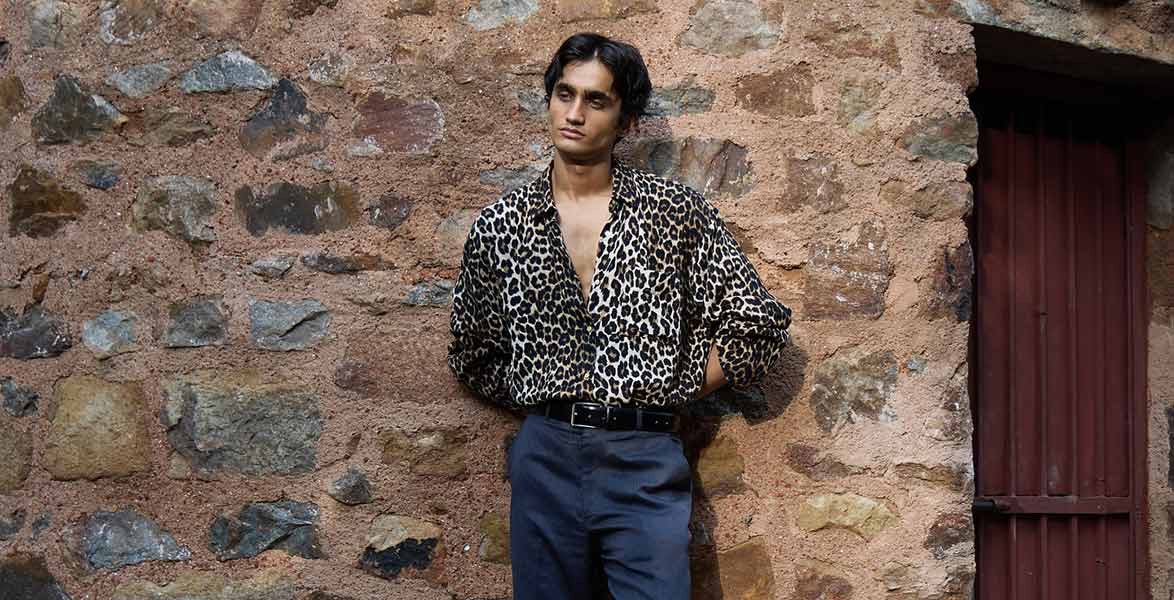
Last October, designer and Madraswear founder Purushu Arie accused Chennai-based designer Vivek Karunakaran of copying his work—his innovations with tailored lungis, vettis, and a distinctly Tamil design language. Karunakaran maintained that his work was independently developed.
At The Voice of Fashion, we invited both to present their perspectives—on design and copyright. The counterpoint, however, never ran.
Because Arie’s argument moved beyond design authorship into caste, class, and privilege. When I edited his piece and sent a playback, I made it clear that we would not adjudicate the caste versus privilege terrain within a design plagiarism debate. I saw them both as relevant but separate issues. Arie withdrew his article. We respected that decision.
Yet, one part of what he wrote stayed back with me.
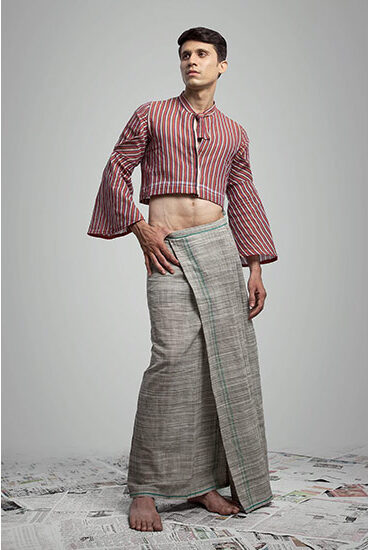
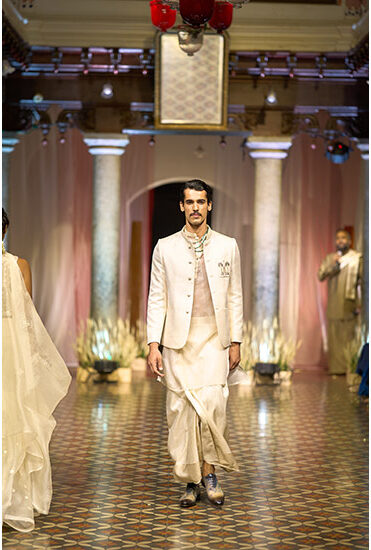
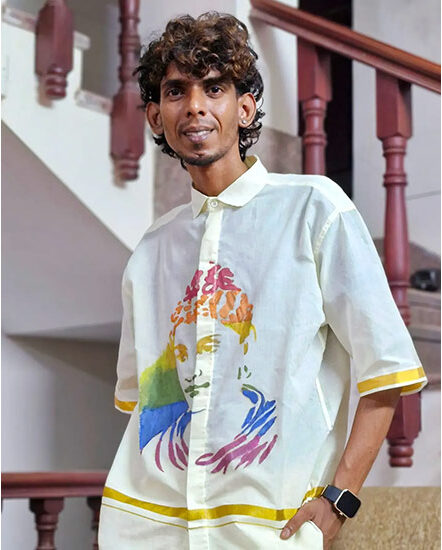
“My design authorship cannot be detached from its politics of assertion and resistance. Without that context, it is reduced to surface ornamentation—much like temple colour schemes on Madras checks.”
Temple colours on Madras checks was a sharp metaphor—and a sharper claim. That, what is worn on the street, shaped by stigma and social geography, becomes acceptable only after validation. Arie argued that he had been dismissed and mocked for his work until he was validated by the press. That innovation from the margins is often dismissed—unless someone with institutional backing mounts it as fashion.
Whether one agrees with him or not, the argument knocks on a door that the fashion industry rarely opens.
April is Dalit History Month.
And yet, not a single substantive conversation on caste has surfaced in Indian fashion media—not just this month, but perhaps across the year.
Indian fashion speaks fluently about craft. It debates cultural appropriation, now increasingly so, given the growing disregard to Indian-origin work and skills by Western luxury brands. Fashion stages textile and crafts exhibitions that foreground co-authorship and artisan visibility.
But when it comes to caste—the social architecture within which much of this labour exists—the conversation falls silent.
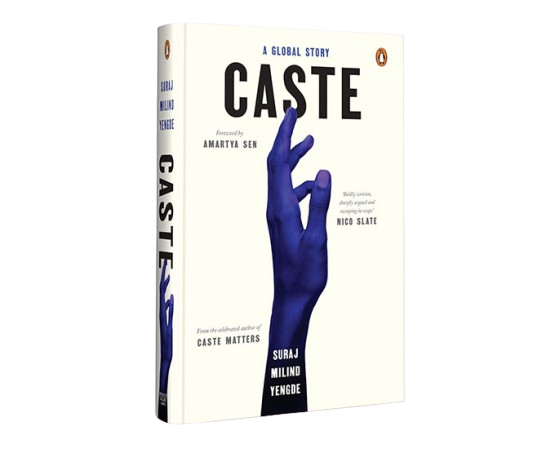
As Suraj Yengde writes in his 2019 book Caste Matters, caste is not a system waiting to disappear; it is a graded hierarchy that adapts, mutates, and survives within modern institutions.
Innovation from the margins is often dismissed—unless someone with institutional backing mounts it as fashion.
Perhaps fashion is no exception. Because it wears the hierarchy of visibility on its sleeve. At the top, the visible layer: designers, labels, stylists. Names we know. Faces we recognise. Narratives we repeat, their photos we post ad nauseum.
Then, a semi-visible layer: masterji tailors, pattern cutters, sampling units—the skilled hands that translate design into garment. Occasionally acknowledged, rarely ever profiled, and never seen on a magazine cover.
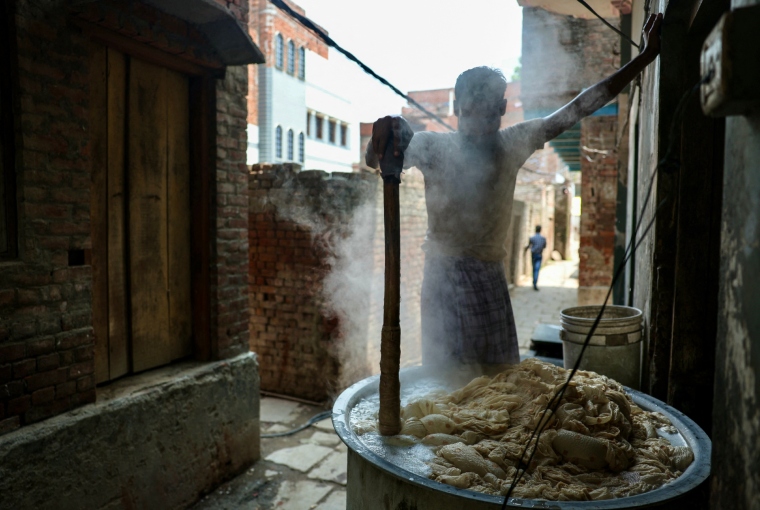
And finally, the invisible layer. Factory workers, contract labour, dyeing units, finishers, helpers, cleaners—those who remain unnamed even as their work moves through each stage of production.
Of the 45 million people employed by India’s garment sector, most remain outside the frame we “like”.
This is where the conversation thins out.
We do not write about factory deaths. We do not document exhaustion, injury, or suicidality as part of fashion’s ecosystem. We do not ask who these workers are, where they come from, or what social worlds they inhabit. Do they have fans in their tenements when temperature in Delhi, the capital of migrant labour, touches 45°C?
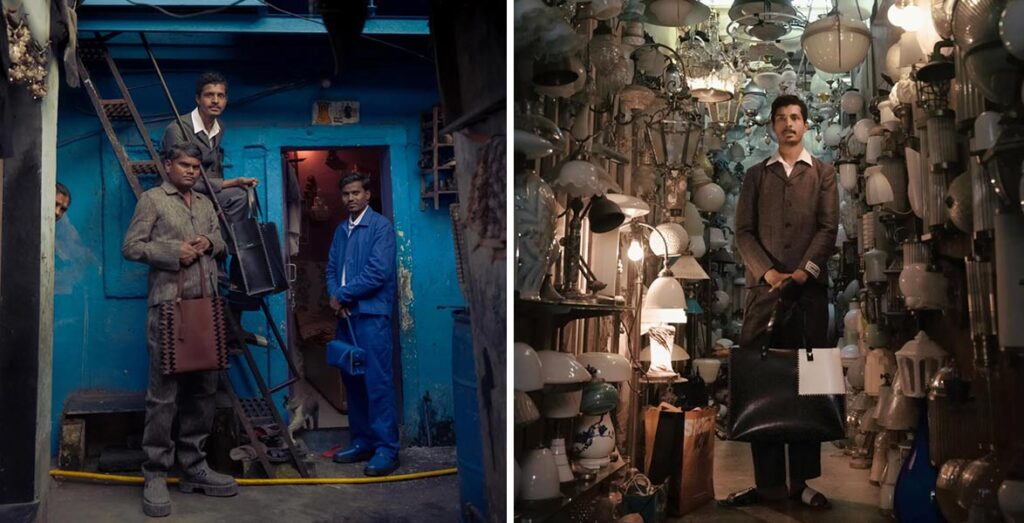
The industry celebrates labour and makes campaigns about the hours an artisan spent to make “couture” for red carpets and galas and precious weddings. But it does not dwell on the labourer.
So, when Arie insists that design carries a politics of assertion and resistance, it is worth extending that thought. Because labour carries social history too. If designers—many of them entitled by education and opportunity—can feel marginalisation, what about workers?
There is no census to rely on, so those cleaning factory floors in fashion ateliers may be Savarna Brahmins, but in all likelihood, these might be people from OBC groups.
Indian fashion today is articulate about sustainability, identity and craft revival. What would happen if it began talking about caste, beyond the Ambedkar suit, for all kinds of referencing? Which is why I continue to applaud designer and artist Sudhir Rajbhar for naming his brand after a slur—Chamar.