The Voice of Fashion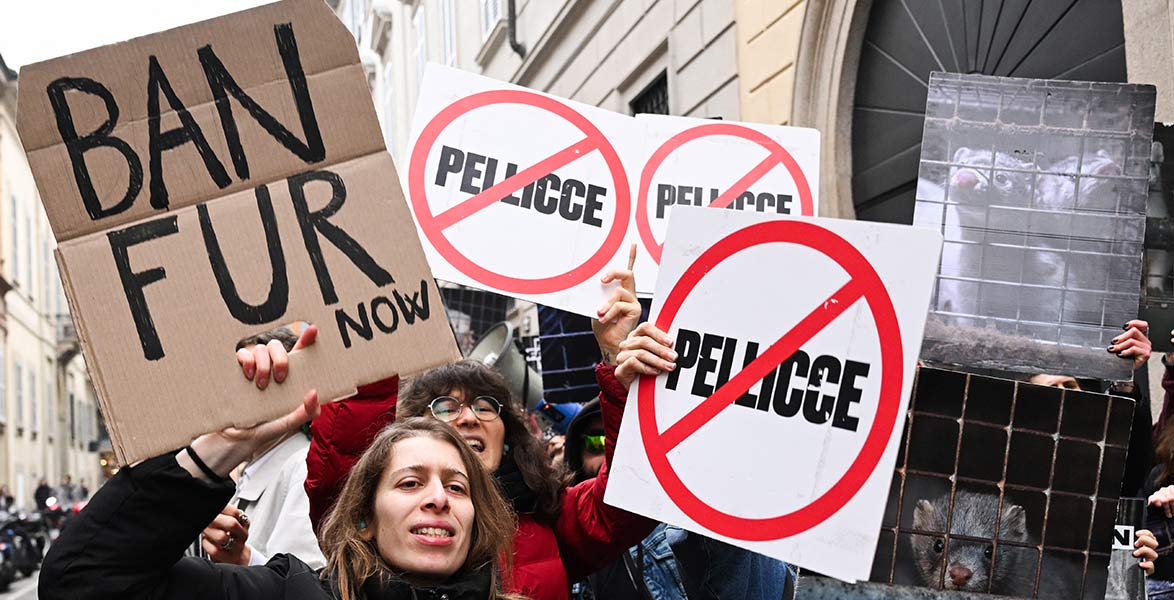
From fur bans to exotic skins, feathers to plant-based materials, fashion’s cruelty-free turn is full of contradictions. Here are some hard facts for those transitioning towards ethical choices
Chanchal, an elderly female elephant from Jaipur’s Hathigaon, was painted pink for a Russian artist’s photograph. The influencer, who posed atop the animal, also matched its hue and posted the image on social media late last year. A few months later, the elephant died. Whether the cause was stress, chemical exposure or coincidence, remains unclear. What was unmistakable, however, was the outrage. The image travelled everywhere, drawing anger at the use of a living animal as a prop for spectacle and vanity.
This example has nothing to do directly with vegan fashion. Yet, it raises a related question. Where do we draw the line around animals—their skin, fur, body parts? Or even the romanticised imagery of horses used to glamourise polo fashion, from Rajasthan’s fashion brands to Ralph Lauren? Not to mention the continued use of animals as props in magazine photoshoots.
This is an apt moment to examine vegan fashion because across industries, that line is shifting. Fur bans are expanding. The Emmy Awards recently declared a ban on wearing fur on the red carpet. At Paris Fashion Week, Louise Trotter dedicated her first collection for Bottega Veneta Fall-Winter 2026 to fur-like textures created from fiberglass, knits and felt. “For aficionados of fabric innovation, this would be their Super Bowl,” wrote WWD.
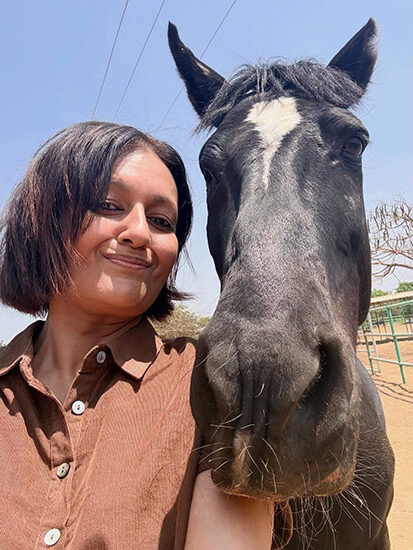
Lingerie brand Victoria’s Secret now uses vegan materials for its famous “angel wings” at fashion shows. “The company had previously used some 620,000 feathers plucked from ostriches, pheasants and chickens for a single show. But after talking with PETA, they used 3D-printed materials, quilted satin, Swarovski crystals and other non-animal materials to create feather-like looks,” says Poorva Joshipura, head of PETA India.
Indian designer Anita Dongre, in partnership with Fashion for Good, presented the second edition of Rewild at the Lukshmi Vilas Palace in Vadodara this January, directing proceeds from couture sales towards elephant conservation. Dongre, who has long worked to create a bridge between activism and design, has championed cruelty-free fashion and continues to sample plant-based materials, hoping to become a “100 per cent vegan designer” in the future.
Feathers are being questioned across industries. In July last year, over 50 Indian designers signed a PETA-backed pledge not to use them. Exotic skins are increasingly being scrutinised. Designers are experimenting with mushroom, pineapple and other plant-based materials, including several innovative creations by finalists and winners at the Circular Design Challenge, part of Lakmē Fashion Week. They have developed alternatives using cactus, coconut and other non-animal fibres. The search for cruelty-free materials is increasingly overlapping with sustainability conversations, though the two are not always synonymous. Brands are pledging alternatives, often accompanied by morality-tinged messaging.

The Moral Framework of Vegan Fashion
Vegan fashion is emerging as part of a broader cultural shift—where animals are no longer seen as materials first, living beings later. Scientific research and animal welfare investigations have deepened public awareness: cows grieve when separated from calves, chickens communicate with their chicks, fish form social bonds, and animals killed for skin endure unbearable suffering. The emotional lives of animals are no longer abstract ideas; they are informing consumer choices.
And yet, the moral framework of vegan fashion remains uneven. Wool and silk continue to be treated as benign materials. But are they? Even Dongre acknowledges the difficulty of finding viable alternatives to silk. In India, the debate between ahimsa silk, where silkworms are not killed, and conventional silk, where cocoons are boiled, remains unresolved.
Leather, meanwhile, is culturally embedded. The controversy around Prada’s reinterpretation of Kolhapuri chappals focused on cultural appropriation, but rarely asked a more fundamental question. What kind of leather is being used—and at what ethical cost? Whether by indigenous artisans or the appropriating luxury brand.
The Vocabulary Crisis Inside Vegan Fashion
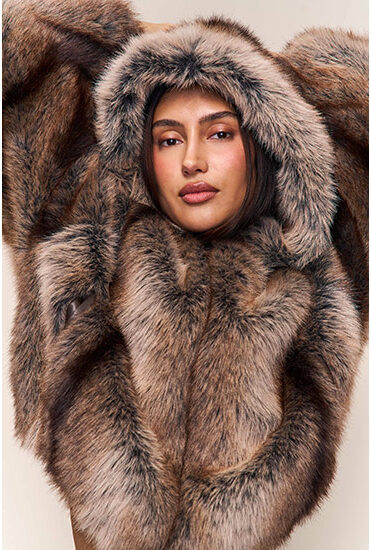
According to Statista, vegan fashion encompasses a vast market, totalling hundreds of billions of dollars. Yet, many of these products are made from synthetics or cotton. “A more specific definition of vegan fashion is apparel made from alternative materials that resemble animal products without harming animals. In practice, however, leather is often replaced by plastics such as PU or PVC, while faux fur is typically made from acrylic blends,” reads information on the Statista website.
No wonder “vegan” is used loosely—sometimes to signal innovation, substitution, or simply optics. Many so-called vegan materials rely on plastics or non-biodegradable synthetics. They avoid animal skins but raise environmental concerns, complicating the ethical promise of vegan fashion.
As Joshipura, who is also the author of the book Survival at Stake, says: “Vegan simply means non-animal. It does not mean plastic, nor does it have to mean that—the concepts are deliberately conflated by the biggest polluters in fashion, like the leather industry.”
The Growth of Vegan Consciousness
Studies across markets, including surveys by The Voice of Fashion and other global consumer reports, indicate a shift towards cruelty-free fashion. A 2023 YouGov survey cited by PETA India found that 59 per cent of respondents in India were likely to consider a vegan diet, with 73 per cent citing animal exploitation as a key reason. Preferences among Gen Z consumers globally also suggest a growing inclination towards cruelty-free fashion and beauty.
A Times of India report stated that more than 70 per cent of Millennials and Gen-Z consumers value sustainability over brand name and are willing to pay more for sustainable goods.
But questions remain. Ranking cruelty within animal-derived materials is difficult and perhaps misleading. “Since all of these animals are trapped in egregious practices like factory farming, cruel transport and slaughter, and because they all want to live and are capable of suffering and feeling pain, it is not possible to rank whose suffering is worse,” says Joshipura.

The Cruelty Chain
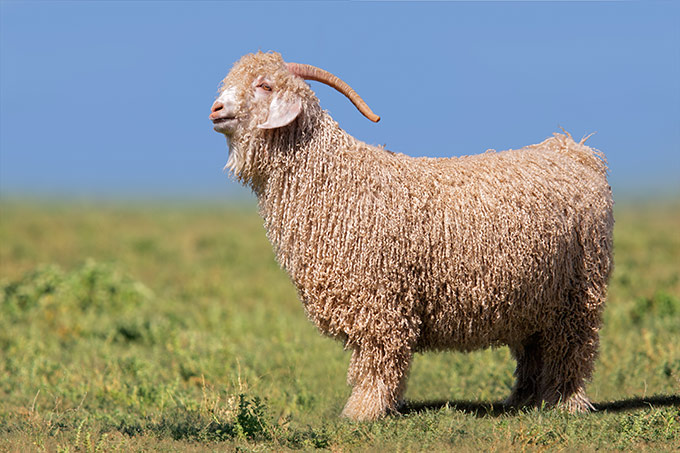
A Pulse of the Fashion Industry report—led by Boston Consulting Group and the Copenhagen-based Global Fashion Agenda—ranked bovine leather the worst polluter in fashion, followed by silk and wool. The ethical hierarchy, however, is harder to define. Is silk derived from killing silkworms less cruel than leather where animals are slaughtered for skin? Does wool pass the cruelty test if sheep are shorn roughly and sometimes left injured?
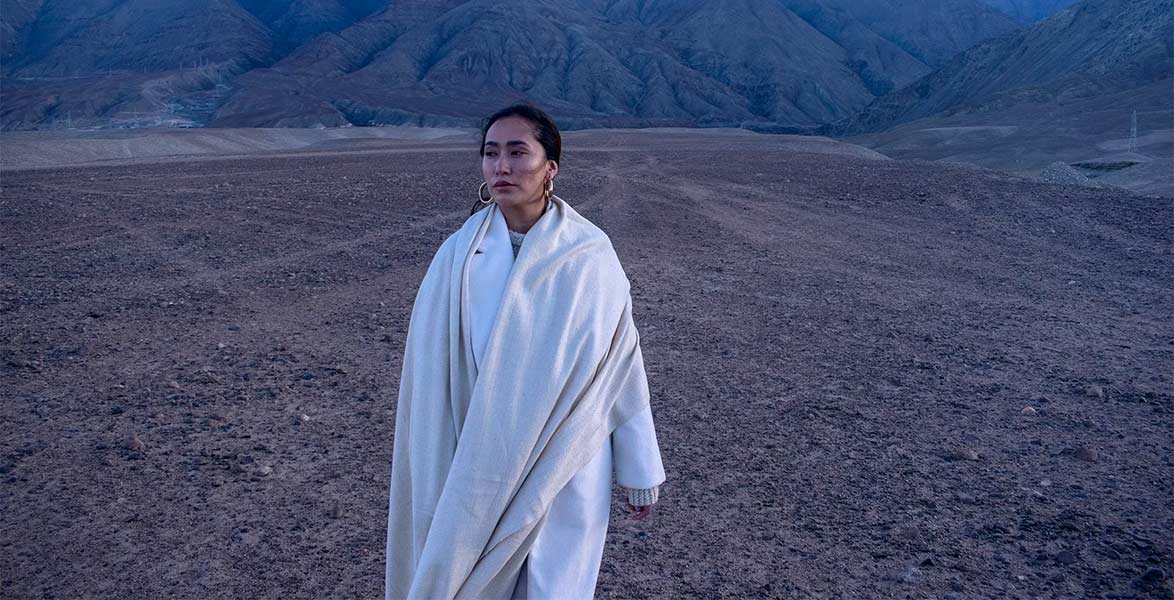
Dongre says she would place leather at the top in terms of cruelty, if such a ranking were attempted. But others argue for nuance. “I can definitely say that the shearing of sheep for wool is cruelty-free in Ladakh. Sheep are sheared in the summer where not shearing off their wool would leave them uncomfortable,” says designer Jigmat Norbu of Jigmat Couture, a Ladakh-based label.
Norbu speaks for pastoral traditions shaped by climate and animal welfare. He makes a similar case for Ladakh-rooted pashmina fibre and yak wool. Looms of Ladakh, an all-women producer organisation, co-founded by Abhilasha Bahuguna, works with sheep, goat and yak wool while centring herder communities and their traditional knowledge. Ethics remain a pledge and animal sustenance part of the promise.
Where Does the Consumer Stand?
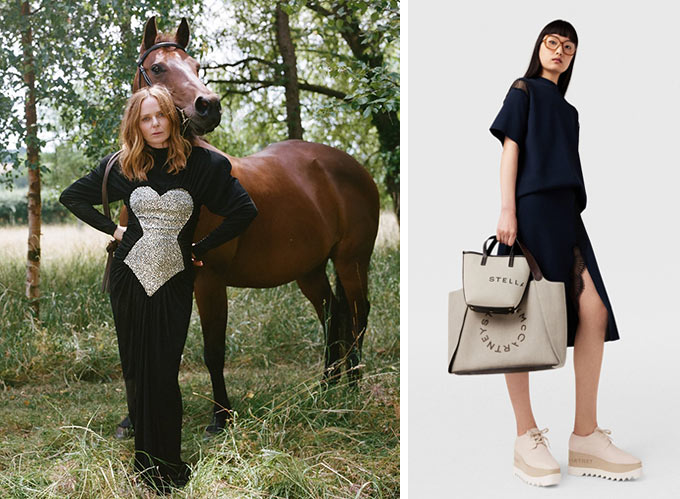
During a Dior show in Paris two years ago, PETA France activist Natasha Garnier, a Bengaluru native, stormed the runway to protest the use of feathers. The incident triggered calls, led by Stella McCartney and PETA, urging designers to move away from animal-derived materials. Such interventions highlight how activism can influence fashion’s direction, but they also shift responsibility to consumers.
Cruelty-free fashion, vegan fashion and sustainable fashion are not synonymous. A leather-free brand may still use wool, silk or feathers. A plant-based material may not be biodegradable. The consumer must therefore navigate a confusing vocabulary, where ethical intent and material reality do not always align.
Dongre believes the Indian fashion industry is not doing enough. She acknowledges the contradictions she faces herself, the guilt she feels when she sometimes deviates from vegan choices in her diet, and the difficulty of eliminating silk from couture. “Creating one Tencel collection or buying one scarf doesn’t make you a vegan convert,” someone remarked during the reporting of this article.
The shift lies in consistent choices—by designers, brands and consumers alike. Until then, vegan fashion will continue to reflect a selective morality, shaped as much by aspiration as by ethics.