The Voice of Fashion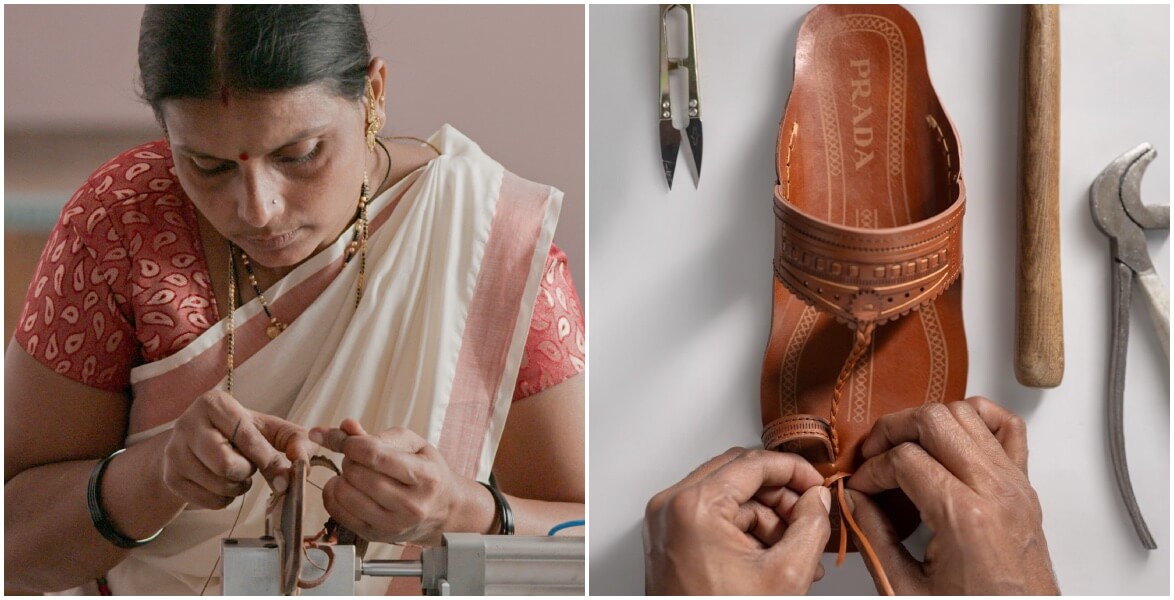
As global brands deepen and promote collaborations with Indian creators, their language tells another story. India is useful as a source, but irrelevant as a consumer
This is not classic colonialism. That was about territorial control and erasure of the original maker and market. But an aesthetic colonialism without borders, or a new colonialism that touts collaboration but finds ways to disregard original practice and honour it by language—could be a way to interpret what Prada has flung at us. A slipper.
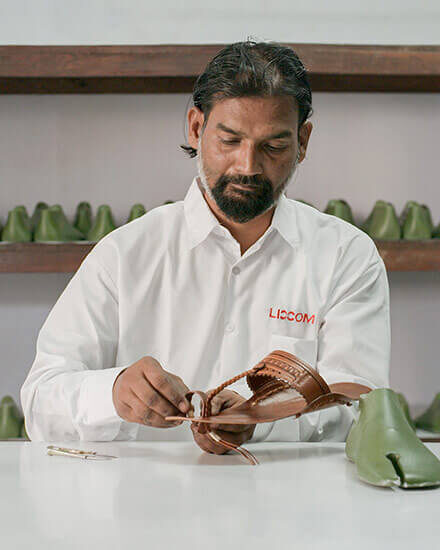
The “Made in India” Prada Kolhapuri, released yesterday into an already bristling conversation on cultural appropriation, reveals something about design and technical finesse (Prada’s and of the Kolhapuri chappal artisans). But more about the poor choice of promotional language. Clearly, it is not an error of omission by one of the world’s most valued luxury brands.
It also reveals that Western fashion houses may love our “inspirational products” but do not yet treat India as a viable consumer market with agency. These chappals are crafted, we are told, by artisans associated with the government-backed leather industry bodies of Karnataka and Maharashtra: LIDCOM and LIDKAR. Manufactured in India and developed through a Prada-funded skills initiative, they arrive as “inspired by” the Kolhapuri chappal.
The semantic choice itself is a contradiction. If this is a collaboration involving the National Institute of Fashion Technology (NIFT) and Karnataka Institute of Fashion & Leather Technology (KILT), if the production is rooted in Indian legacy, what exactly is being “inspired”? Could it also be called “How to be inspired by what you have always been doing but move ownership to arm’s length”?
From bandhani skirts to jhumkas by brands like Ralph Lauren—Indian design vocabulary is being mined, translated, and elevated for reasons that are completely mixed up. Perhaps, this is not just misrepresentation, but the luxury world’s worst kept secret.
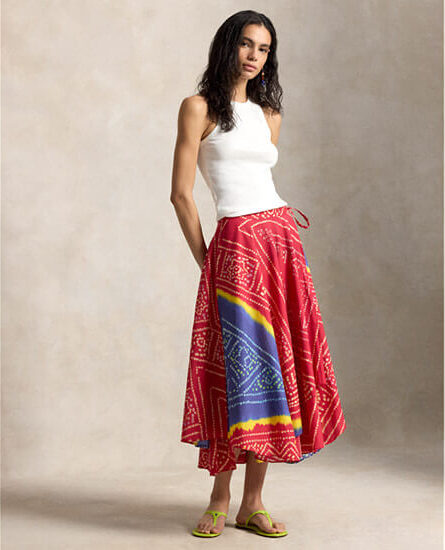
With the safe assumption that Indian consumers will not be the primary buyers of these products—Kolhapuris relabelled by Prada or Ralph Lauren’s Janpath jhumkas made in New York—the Indian buyer is being ticked off as irrelevant and as a consumer market, India remains peripheral.
What the Data Says
Data supports this argument, but with a twist. According to India Brand Equity, India’s $12 billion luxury market is among the fastest growing in the world, expanding at a 10 per cent rate annually. In the last edition of the State of Fashion report by McKinsey with Business of Fashion, 67 per cent fashion executives identified India as a key growth opportunity in the coming seasons. This comes on the back of the Luxury in Transition report by Bain & Co noting that the global luxury customer base contracted by 50 million consumers between 2022 and 2024.
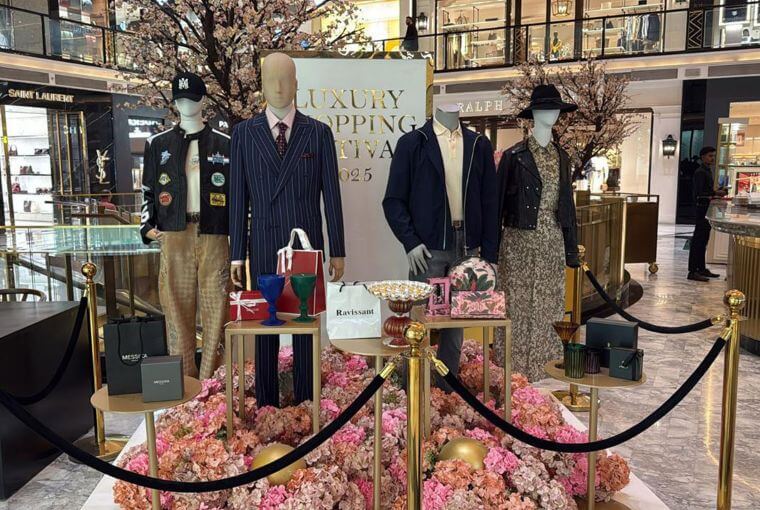
It is no secret that the launch of stores by global fashion, beauty and accessory brands in India is on a surge. It matches the dynamism with which Indian luxury and fashion is growing in its home base, with more stores, more channels to show and sell. So, what’s the tweak?
The fact is, India is a growing market but as of now it contributes only a small fraction to the global revenue of luxury brands. According to the Business of Fashion study, the high-net-worth individuals (HNIs) in India are growing but limited, and they primarily shop for luxury in Dubai, London and Singapore. India is well positioned but not yet entrenched. It is a future market, not the present core of the world’s luxury business, which is worth €1.4 trillion.
This is where a deep gash runs. Western luxury brands seem to know this and use it strategically in industry behaviour and hierarchy, both in optics and language. They may open more stores or layer their online sale channels in India, but it is in preparation for a projected future. That’s the bottom line—rising number of HNIs, Tier-2 and Tier-3 expansion, but no real big business.

The Optics of Cultural Capital
Strategically, luxury brands would rather use our cultural capital. The world applauds our film stars and celebs, and gawks at Indian couture at the Met Gala and other most-watched events—even spectators and content creators make memes of desi fashion at Coachella. India is in the news, alright. But in terms of global influence (business, not “inspiration”), the country finds itself at a new crossroads. Here is a split worth recording. The Rising Indian Aesthetic versus Irrelevant Indian Consumer. Culturally spectacular, but operationally not in the centre.
And, while Indian designers are travelling everywhere—from Harrods to Bergdorf Goodman, from Paris Couture Week to the Oscars—and Indian design is travelling with them from The White Lotus to Beef, the Indian market power is not travelling as much. This is a time of reckoning as India’s visibility is not real validation. And “inspiration” doesn’t mean power in the luxury markets of the world. The question is not whether Prada was inspired, but why it chose that word over collaboration.